Which are the 10 best hotels in the world? This question sparks wanderlust and curiosity among travelers seeking unparalleled luxury and unforgettable experiences. Luxury hotels are not just places to stay; they are havens of indulgence that redefine what it means to travel in style. With unique features, impeccable service, and stunning locations, these hotels elevate the guest experience to new heights, making them the pinnacle of the hospitality industry.
In this exploration, we will delve into the criteria that define the best hotels, from customer reviews to exceptional amenities. We will uncover a curated list of the top ten hotels, highlighting their unique attributes and the luxurious experiences they offer to discerning travelers worldwide.



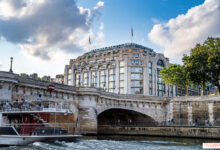


Introduction to Luxury Hotels
Luxury hotels play a pivotal role in the travel industry, representing the pinnacle of comfort, service, and exclusive experiences. These establishments cater to discerning travelers who seek not just accommodation, but an immersion into a world of elegance and refined hospitality. The significance of luxury hotels lies in their ability to create unique, memorable experiences that elevate the standard of travel, often setting benchmarks for quality and service in the broader hospitality sector.
Several key factors contribute to a hotel being regarded as ‘the best’. These include location, architectural beauty, exceptional customer service, exquisite dining options, and high-end amenities. Each of these elements combines to create an environment where guests feel pampered and valued, resulting in a stay that often exceeds expectations. For instance, a luxury hotel situated in a breathtaking location, such as the Maldives or the Swiss Alps, not only offers stunning views but also unique local experiences that enhance the overall guest journey.
Factors Enhancing Guest Experiences
Luxury hotels enhance guest experiences through a variety of thoughtful details and services that prioritize comfort and satisfaction. The following elements are essential in achieving this high level of service:
- Personalized Services: From bespoke concierge services to tailored room preferences, luxury hotels invest in understanding each guest’s specific needs and desires. This level of personalization often includes welcome amenities, customized itineraries, and attentive staff ready to cater to every whim.
- Exceptional Amenities: High-end amenities such as world-class spas, infinity pools, gourmet restaurants, and private beaches are hallmarks of luxury hotels. These facilities not only enhance the aesthetic experience but also provide guests with opportunities for relaxation and indulgence.
- Exclusive Experiences: Many luxury hotels offer exclusive experiences, such as private tours, culinary classes with renowned chefs, or access to unique local events. This immersion into the local culture and lifestyle adds a distinctive touch to the overall stay.
- Design and Ambiance: The architecture and interior design of luxury hotels are often meticulously crafted to create an inviting atmosphere. Elements such as art collections, high-end furnishings, and thoughtful layout contribute to an overall sense of comfort and elegance.
- Attention to Detail: A hallmark of luxury hospitality is the attention to detail. This encompasses everything from the quality of linens and toiletries to the professional demeanor of the staff, all of which combine to create a seamless and enjoyable experience for guests.
Luxury hotels are not merely places to stay; they are destinations in their own right, promising experiences that transcend the ordinary. The combination of location, service, and luxury amenities transforms each visit into a unique story, one that guests are eager to share long after their departure.
Criteria for Ranking the Best Hotels
The ranking of hotels globally is a meticulous process that involves various factors to determine their quality and service. From luxurious amenities to customer satisfaction, each criterion plays a crucial role in establishing a hotel’s repute. Understanding these criteria helps both travelers and industry experts identify the best hospitality options available worldwide.
Factors influencing hotel rankings encompass customer reviews, essential amenities, and the overall guest experience. These criteria are analyzed through comprehensive assessments, often employing sophisticated algorithms that aggregate data from multiple sources. The impact of customer feedback is significant, as it reflects the real-life experiences of guests and informs potential travelers about what to expect.
Customer Reviews and Ratings
Customer reviews and ratings serve as a foundational pillar in the ranking of hotels. These evaluations provide insights into various aspects of the hotel experience, such as cleanliness, service quality, and value for money. The significance of this feedback lies in its authenticity, as it originates directly from those who have experienced the services firsthand.
The weight of customer reviews can be quantified through ratings systems used by major travel platforms. Ratings typically range from one to five stars, where higher ratings signify better service. Moreover, many platforms calculate an overall score that aggregates multiple factors, including the number of reviews, recency, and the distribution of star ratings.
“A high rating can greatly enhance a hotel’s visibility and desirability, influencing potential guests’ decisions.”
Amenities and Services
The selection of amenities and services is another crucial element in hotel rankings. These offerings can significantly elevate a guest’s experience and distinguish one hotel from another. When analyzing amenities, several factors are taken into account, including but not limited to:
- Room Quality: Spacious rooms with luxurious furnishings, comfortable bedding, and modern technology contribute to a positive stay.
- Dining Options: Availability of high-quality restaurants, bars, and room service enhances the overall guest experience.
- Recreational Facilities: Access to pools, gyms, and spas is often a determining factor for leisure travelers.
- Location: Proximity to attractions, transport links, and scenic views can significantly impact a hotel’s desirability.
- Customer Service: Exceptional staff service that includes attentive and friendly interactions can lead to higher satisfaction and favorable ratings.
The combination of these amenities creates a holistic experience that guests remember and recommend. Hotels that prioritize guest comfort through thoughtful amenities often receive better ratings and reviews, thus enhancing their position in global rankings.
“The best hotels are those that not only provide luxury but also create unforgettable memories through exceptional service and amenities.”
The Top 10 Hotels
In the realm of luxury travel, certain hotels stand out not just for their opulent accommodations but for the unique experiences they offer. These hotels are lauded for their exceptional service, distinctive design, and breathtaking locations, making them true havens for discerning travelers. Below is an overview of the ten best hotels in the world, each of which promises an unforgettable stay.
Each of these prestigious hotels boasts unique selling points that elevate them above the competition, from extraordinary culinary experiences to unparalleled wellness offerings. Below is a comprehensive look at these top-tier establishments.
Hotel Overview
| Hotel Name | Location | Key Features |
|---|---|---|
| The Burj Al Arab | Dubai, UAE | Iconic sail-shaped architecture, private butlers, and luxury suites with panoramic views. |
| Ritz Paris | Paris, France | Historic elegance, world-class dining, and the famed Ritz bar. |
| The Peninsula | Hong Kong | Luxurious rooms with harbor views, renowned spa, and helicopter service. |
| Four Seasons Resort | Bora Bora, French Polynesia | Overwater bungalows, stunning lagoon views, and exceptional water sports. |
| Aman Tokyo | Tokyo, Japan | Minimalist design, serene atmosphere, and a famous onsen. |
| Hotel Bel-Air | Los Angeles, USA | Secluded gardens, culinary excellence, and a celebrity-favorite retreat. |
| Singita Sweni Lodge | Kruger National Park, South Africa | Luxury safari experience, personalized service, and wildlife viewing. |
| Le Meurice | Paris, France | Artistic ambiance, Michelin-starred dining, and views of the Tuileries Garden. |
| The Oberoi Udaivilas | Udaipur, India | Stunning lake views, regal architecture, and lavish spa treatments. |
| Banyan Tree Seychelles | Seychelles | Private villas, pristine beaches, and a focus on eco-luxury. |
“These hotels redefine luxury, offering not just a place to stay but an experience that lingers long after the journey ends.”
Each of these hotels presents its own unique charm and array of features that cater to various preferences and desires. From the soaring heights of the Burj Al Arab in Dubai to the intimate settings of Banyan Tree Seychelles, these accommodations are more than just places to sleep—they are destinations in their own right, each telling a story of luxury and refinement. Whether it’s the culinary delights at Ritz Paris or the unparalleled service at The Peninsula, guests can expect nothing short of excellence at these esteemed establishments.
Notable Features of the Best Hotels
The best hotels in the world are not merely places to stay; they are sanctuaries of luxury that offer an exceptional experience to their guests. These hotels boast an array of amenities, striking architectural designs, and extraordinary dining options that elevate them above average accommodations. Each element is meticulously crafted to provide an unforgettable experience.
The luxurious amenities offered by the best hotels include world-class spas, state-of-the-art fitness centers, and private pools. Many of these hotels emphasize wellness, providing services like yoga classes and personalized fitness training. Guests can indulge in rejuvenating treatments that incorporate local ingredients and ancient techniques, ensuring a holistic experience.
Architectural and Design Aspects
The architectural brilliance and design aesthetic of these hotels contribute significantly to their allure. Each hotel tells a unique story through its structure and interior design, often blending local cultural elements with modern luxury.
Stunning features often include:
- Iconic Structures: Hotels like the Burj Al Arab in Dubai, shaped like a sail, create a visual landmark that is synonymous with luxury.
- Eco-Friendly Design: Properties such as the Six Senses Zighy Bay in Oman are designed to harmonize with their surroundings, utilizing sustainable materials and building techniques.
- Artistic Interiors: Many hotels showcase curated art collections, like the Faena Hotel in Miami, where breathtaking art installations contribute to a vibrant atmosphere.
- Panoramic Views: Hotels located in breathtaking landscapes, such as the Amangiri in Utah, offer rooms with views that enhance the overall experience, connecting guests to nature.
Extraordinary Dining Options
Dining at the world’s best hotels is an experience in itself, often led by renowned chefs who create culinary masterpieces. These hotels typically feature multiple dining venues, each offering unique cuisines and atmospheres.
Noteworthy dining experiences include:
- Michelin-Starred Restaurants: Hotels like the Ritz Paris house restaurants that have earned Michelin stars, where guests can relish exquisite dishes crafted from the freshest ingredients.
- Local Cuisine with a Twist: Many hotels offer menus that reflect the local culture, such as the La Mamounia in Marrakech, which serves Moroccan delicacies in a traditional setting.
- Chef’s Table Experiences: Guests can often enjoy exclusive dining events where they interact with chefs and witness the preparation of their meals, enhancing the intimacy and enjoyment of the dining experience.
- Unique Dining Venues: Some hotels have taken dining to the next level by offering extraordinary settings, such as underwater dining at the Ithaa Undersea Restaurant in the Maldives.
Guest Experiences and Testimonials: Which Are The 10 Best Hotels In The World?
The essence of a luxurious hotel experience is often captured through the voices of those who have visited. Guest testimonials provide insightful glimpses into the unique offerings and exceptional services provided by the world’s best hotels. These narratives not only highlight individual experiences but also reflect the overarching commitment to guest satisfaction that these establishments uphold.
At luxury hotels, personalized service is paramount. Guests often recount how staff members anticipated their needs, creating memorable experiences that go beyond mere accommodation. These stories underscore the impact of outstanding customer service on the overall guest experience, transforming a standard stay into a cherished memory.
Collection of Guest Testimonials
The following testimonials illustrate the unparalleled experiences guests have enjoyed at some of the top hotels in the world, emphasizing the importance of personal touches and exceptional service:
“At The Ritz-Carlton in Paris, my wife and I were surprised with a complimentary bottle of champagne upon arrival. The staff remembered our anniversary and made our stay unforgettable.” — Mark T.
“During our stay at the Aman Tokyo, a concierge personally crafted a custom itinerary that included private access to cultural sites. This individualized attention made our trip truly special.” — Sarah J.
“The Four Seasons Bali provided me with a private yoga session at sunrise on the beach, tailored to my skill level. It was such a serene and unique experience that I will treasure forever.” — David R.
“At the Mandarin Oriental in Bangkok, the housekeeper left an origami elephant in our room every day, accompanied by a handwritten note. This small gesture made us feel so welcome and appreciated.” — Emily K.
The impact of these personalized services often enhances the guest experience, making it feel more intimate and exclusive. Guests appreciate when hotel staff go the extra mile to cater to their preferences and desires, resulting in a sense of belonging and comfort.
In luxury hospitality, customer service is not just a function—it’s an art. The dedication of the staff to provide tailored experiences can significantly elevate the overall guest satisfaction. Such attention to detail is what sets these top hotels apart, allowing them to create lasting impressions on their guests.
The Influence of Location
Luxury hotels thrive on the allure of their locations, often becoming destinations in their own right. The geographical positioning of these establishments not only adds to their prestige but also enriches the experiences they offer to discerning travelers. From breathtaking ocean views to serene mountain retreats, the location is pivotal in enhancing the charm and appeal of luxury accommodations.
The geography surrounding luxury hotels plays a significant role in attracting guests and creating unforgettable experiences. Whether perched on a cliff overlooking the sea or nestled within lush forest landscapes, the surroundings contribute to the atmosphere and ambiance of the hotel. Not only do these locations provide stunning backdrops for relaxation and recreation, but they also allow guests to immerse themselves in local culture and nature.
Desirable Locations for Luxury Hotels
Certain locations around the globe are synonymous with luxury and opulence, offering unparalleled settings for some of the finest hotels. The following are among the most sought-after areas, each boasting unique characteristics that enhance the guest experience:
- Maldives: Known for its crystal-clear waters and secluded private islands, luxury resorts in the Maldives provide a tranquil escape with overwater bungalows and pristine beaches, offering guests an idyllic setting for relaxation and romance.
- Paris, France: The City of Light is home to iconic landmarks and rich culture. Luxury hotels like The Ritz Paris leverage their proximity to attractions such as the Eiffel Tower and Louvre Museum, allowing guests to indulge in both luxury and sightseeing.
- Bora Bora, French Polynesia: Renowned for its lush landscapes and vibrant marine life, hotels in Bora Bora, such as the Four Seasons Resort, offer unique experiences like snorkeling and private beach picnics in a stunning lagoon.
- New York City, USA: With its vibrant energy and cultural diversity, luxury hotels like The St. Regis New York are perfectly situated for guests to explore world-class dining, shopping, and entertainment just steps from their doors.
- Kyoto, Japan: Combining tradition with luxury, hotels such as the Ritz-Carlton, Kyoto, draw guests with beautiful views of cherry blossoms and temples, providing an authentic cultural experience in a serene environment.
“The location of a luxury hotel is as important as the amenities it offers; the two work hand in hand to create lasting memories.”
Luxury hotels that capitalize on their geographical advantages not only provide comfortable accommodations but also engage guests in unique experiences tied to their surroundings. For instance, the Aman Tokyo offers a serene sanctuary amidst the bustling city, with views of Mount Fuji that can be enjoyed from its top-floor spa. Similarly, the Belmond Hotel Caruso on the Amalfi Coast combines stunning cliffside views with access to charming coastal villages, allowing guests to explore local culture while enjoying the luxury of their setting. By choosing locations that enhance both the aesthetic and experiential aspects of their offerings, these hotels create a compelling reason for travelers to indulge in their services.
Innovations in Hospitality

The luxury hotel industry is rapidly evolving, embracing technological advancements and sustainable practices that redefine guest experiences. As travelers become more discerning about their stays, hotels are responding with innovative solutions that enhance comfort, convenience, and environmental responsibility. This dynamic landscape showcases how modern hospitality is integrating cutting-edge technology with a commitment to sustainability.
Technological Advancements in Hotels
Luxury hotels are increasingly adopting technology to streamline operations and enhance guest satisfaction. From mobile check-in to smart room controls, these advancements create a seamless experience that caters to the modern traveler. Notable technologies include:
- Smart Room Features: Many hotels incorporate IoT (Internet of Things) devices, allowing guests to control lighting, climate, and entertainment systems through their smartphones or voice-activated devices.
- Mobile Applications: Customized hotel apps enable guests to manage their stay, from room service orders to spa bookings, all at their fingertips.
- Virtual Reality: Some establishments use VR to offer immersive tours, helping potential guests visualize their experiences before booking.
- Artificial Intelligence: AI-powered chatbots provide instant assistance for guest inquiries, enhancing the overall service experience.
Sustainable Practices in Luxury Hospitality
As the world becomes more environmentally conscious, luxury hotels are leading the charge in sustainability. Implementing eco-friendly practices not only attracts conscious travelers but also contributes to the conservation of resources. Key sustainability initiatives include:
- Energy Efficiency: Many hotels invest in renewable energy sources, such as solar panels, to reduce their carbon footprint while providing clean energy for operations.
- Water Conservation: Innovative systems for water recycling and low-flow fixtures are now standard in luxury accommodations, promoting responsible water use.
- Local Sourcing: Hotels are increasingly sourcing food and products locally to support regional economies and reduce transportation emissions.
- Green Certifications: Establishments are pursuing certifications like LEED (Leadership in Energy and Environmental Design) to demonstrate their commitment to sustainable practices.
Innovative Services and Guest Experiences
The luxury hotel sector is not just about opulence; it’s about creating memorable experiences that guests will cherish. The introduction of unique services enhances the allure of these establishments. Examples include:
- Personalized Experiences: Hotels are offering tailored experiences based on guest preferences, ranging from curated local excursions to personalized dining options.
- Wellness Programs: Spas and fitness centers are incorporating holistic wellness programs, including yoga retreats, meditation classes, and nutrition workshops.
- Local Cultural Immersion: Many hotels provide guests with authentic local experiences, such as cooking classes, guided tours of historical sites, and partnerships with local artisans.
“Innovation in hospitality is about more than just technology; it’s about enhancing the guest journey through thoughtful and sustainable practices.”
Comparison with Mid-Range Hotels
Luxury hotels often stand as paragons of opulence and exceptional service, while mid-range hotels provide a more budget-friendly alternative. While both types of accommodations aim to serve their guests effectively, the differences in offerings, pricing, and overall experiences are striking.
Luxury hotels typically provide a wealth of high-end amenities, personalized services, and exclusive experiences that mid-range hotels cannot match. The pricing of these luxury options often reflects the quality of services and the breadth of amenities available, creating a significant distinction between the two categories. Travelers seeking a more lavish experience will find that luxury hotels offer unique value propositions that set them apart from their mid-range counterparts.
Features of Luxury Hotels versus Mid-Range Options
When comparing luxury hotels to mid-range establishments, it is essential to examine the various features and services that define each category. Luxury hotels offer extensive amenities that enhance the guest experience, while mid-range hotels focus on the essentials. The following points illustrate these differences:
- Room Quality: Luxury hotels provide spacious rooms with premium furnishings, high-quality linens, and luxurious bathroom amenities, whereas mid-range hotels offer comfortable but often standard accommodations.
- Dining Options: Many luxury hotels feature gourmet restaurants overseen by renowned chefs, along with room service, while mid-range hotels typically offer casual dining options or complimentary breakfast.
- Personalized Service: Guests at luxury hotels often enjoy personalized services, such as concierge assistance, private butlers, and tailored experiences that cater to individual needs. Mid-range hotels provide reliable service but lack the same level of personalization.
- Wellness and Recreation: Luxury hotels usually boast expansive spa facilities, fitness centers, and recreational activities, including golf courses and private beaches. In contrast, mid-range hotels may have basic gym facilities or pool access.
- Location and Ambiance: Luxury hotels are often situated in prime locations with stunning views and unique architecture, creating an atmosphere of exclusivity. Mid-range hotels, while still conveniently located, may not offer the same breathtaking settings.
The distinct features of luxury hotels create an experience that appeals to travelers seeking indulgence and exclusivity. In contrast, mid-range hotels offer a practical solution for those prioritizing affordability without compromising essential comfort.
Impact of Pricing on Quality and Variety of Services
The pricing structure in the hospitality industry profoundly influences the quality and variety of services available to guests. Luxury hotels, with their higher price points, are able to invest more in their facilities, staff training, and guest experiences. This investment results in a level of service that is often unseen in mid-range hotels.
Luxury establishments can afford to provide a more extensive range of amenities, such as complimentary spa treatments, personalized excursions, and exclusive access to local attractions. Conversely, mid-range hotels must balance quality and affordability, which can limit their ability to offer unique experiences or premium services.
“Luxury hotels redefine the concept of hospitality, creating an immersive experience that lingers long after the stay has ended.”
Value Proposition of Luxury Hotels, Which are the 10 best hotels in the world?
Luxury hotels create a compelling value proposition by offering experiences that extend beyond mere accommodation. Travelers who choose luxury hotels are not just paying for a place to stay; they are investing in a complete experience that includes:
- Exclusivity: Luxury hotels often provide access to unique experiences and events that are not available to the general public.
- Attention to Detail: Every aspect of a guest’s stay is meticulously curated, from the ambiance to personalized welcome amenities.
- Enhanced Security: Many luxury hotels prioritize guest safety with advanced security measures and personalized check-in processes.
- Networking Opportunities: Staying at luxury hotels can provide opportunities for networking with other affluent travelers and industry leaders.
In summary, the investment in luxury hotels translates to an elevated experience, characterized by unmatched service, exclusive amenities, and a commitment to guest satisfaction that positions them firmly above mid-range hotels in the hospitality landscape.
Future Trends in Luxury Hospitality
The landscape of luxury hospitality is continuously evolving as it adapts to shifting consumer preferences, technological advancements, and emerging global challenges. Understanding these future trends is crucial for luxury hotels aiming to remain competitive and relevant in a market shaped by discerning travelers.
As the luxury hotel market evolves, several key trends are emerging that could significantly influence the sector. These trends are largely driven by changing preferences of luxury travelers, advancements in technology, and social dynamics.
Sustainability and Eco-Conscious Travel
A growing number of luxury travelers are prioritizing sustainability and eco-friendliness in their travel choices. They favor hotels that implement sustainable practices, from eco-friendly building materials to waste reduction initiatives. This shift is not merely a trend; it’s becoming a fundamental expectation.
- Hotels are now investing in renewable energy sources, such as solar and wind, to power their operations.
- Many luxury properties are incorporating local organic food into their menus, reducing food miles and supporting local economies.
- Water conservation efforts are being made through technology that reduces water usage in laundry and irrigation.
“Luxury travelers are increasingly looking for experiences that align with their values, particularly related to sustainability.”
Personalization and Customized Experiences
The demand for personalized services is on the rise, with travelers seeking unique and tailored experiences during their stays. Hotels are leveraging data technology to understand guest preferences better and to create bespoke offerings.
- Advanced CRM systems allow staff to anticipate guest needs, from dietary restrictions to preferred room settings.
- Concierge services are evolving to offer curated itineraries based on individual tastes, whether that involves art, culinary experiences, or local adventures.
- In-room automation systems enable guests to control lighting, temperature, and entertainment preferences seamlessly.
Technological Advancements
Technology continues to play a significant role in shaping luxury hospitality. From AI-driven customer service to virtual reality experiences, hotels are adopting innovative technologies to enhance guest experiences.
- Contactless check-in and check-out processes have become standard, improving safety and convenience.
- AI-powered chatbots are being utilized for customer service, providing instant assistance regarding bookings and inquiries.
- Virtual reality tours are being offered, allowing potential guests to experience the hotel before making a reservation.
Health and Wellness Focus
The health and wellness trend has gained momentum, especially in the wake of the global pandemic. Travelers are increasingly looking for hotels that offer wellness-oriented amenities and services.
- Luxury hotels are now providing wellness programs that include yoga classes, spa treatments, and nutritional guidance.
- Gourmet health-focused menus are being developed, catering to guests who prioritize nutrition and well-being.
- On-site fitness facilities are being upgraded with state-of-the-art equipment and personal training services.
Challenges Ahead for Luxury Hotels
Despite the positive trends, luxury hotels will face several challenges in the future.
- Intense competition from alternative accommodation providers such as Airbnb may require luxury hotels to further innovate and differentiate their offerings.
- Economic fluctuations and global events can impact travel demand and guest willingness to spend on luxury experiences.
- Maintaining sustainability while providing opulent experiences poses a balancing act for luxury hotels.
The future of luxury hospitality is undoubtedly dynamic and complex, characterized by a blend of sustainability, technology, and personalized service. Embracing these trends while addressing potential challenges will be vital for luxury hotels to thrive in an ever-evolving market.
Conclusion and Key Takeaways

The exploration of luxury hotels has unveiled significant insights into what defines the best accommodations worldwide. It is essential to recognize that luxury is not solely about opulence; it encompasses unique experiences, exceptional service, and the ability to create memorable moments for guests. The criteria for ranking these hotels are varied, yet they consistently highlight the importance of guest satisfaction, innovative offerings, and the allure of exceptional locations.
Guest satisfaction plays a crucial role in maintaining hotel rankings as it directly influences guest loyalty and word-of-mouth recommendations. In a competitive market, hotels that prioritize the needs and preferences of their guests pave the way for positive reviews and repeat visits. It is evident that the emotional connection established between guests and hotels significantly contributes to their standing in the luxury sector.
Significance of Evolving Luxury Accommodations
The luxury hospitality landscape is constantly evolving, adapting to changing consumer preferences and technological advancements. As travelers increasingly seek personalized experiences, luxury hotels are innovating to incorporate technology that enhances comfort and convenience while maintaining the human touch essential for exceptional service.
For instance, many top hotels are embracing sustainability initiatives, reflecting a growing trend where eco-conscious consumers prioritize environmentally friendly practices. This includes the use of locally sourced materials, energy-efficient systems, and waste-reduction strategies. As a result, the future of luxury accommodations will likely see a blend of timeless elegance with contemporary values, catering to an evolving clientele that values authenticity and responsibility.
In summary, the landscape of luxury hospitality is marked by an ongoing commitment to guest satisfaction, innovative practices, and a responsiveness to global trends. The best hotels not only provide luxurious accommodations but also create unforgettable experiences that resonate with their guests long after their stay. This enduring focus on excellence ensures that these establishments remain at the pinnacle of the hospitality industry.
Traveling to Thailand for a week can be an exciting adventure, but understanding the costs involved is crucial. To get a clear picture of your expenses, check out this guide on how much a 7 day trip to Thailand will cost. From accommodation and food to activities, knowing the right budget will help you make the most of your Thai getaway.
If you’re planning a vacation, you might wonder how much a 7 day trip to Thailand will cost. Factors like accommodation, food, and activities will significantly impact your budget. Generally, you can expect to spend anywhere from a few hundred to over a thousand dollars, depending on your travel style. It’s essential to plan ahead to make the most of your experience while staying within budget.