What is the safest area to stay in Bangkok? This question looms large for travelers eager to explore the vibrant streets of Thailand’s bustling capital. In a city rich with culture and adventure, ensuring personal safety is crucial for a worry-free experience. From understanding the importance of safe neighborhoods to delving into the factors that enhance safety, this article aims to provide a comprehensive overview that will help travelers make informed choices.
Safety in Bangkok is not merely about avoiding trouble; it’s about embracing the full travel experience with confidence. Whether you’re looking for family-friendly locales, vibrant nightlife, or cultural hotspots, knowing where to stay can significantly influence your journey. With insights into crime rates, transport options, and the cultural landscape, this guide will illuminate the safest areas for your stay in Bangkok.





Introduction to Safety in Bangkok
When planning a trip to Bangkok, one of the most critical considerations for travelers is safety. Ensuring you choose a secure area to stay can significantly enhance your experience in this bustling city, known for its rich culture, vibrant street life, and breathtaking temples. Safety not only affects your peace of mind but also influences your ability to explore freely and enjoy all that Bangkok has to offer.
Travelers should be aware of several general safety concerns when visiting Bangkok. While the city is generally safe for tourists, issues such as petty theft, scams, and traffic accidents can occur. Furthermore, it’s important to stay informed about local laws and customs, which can vary significantly from those in your home country. This article will cover key insights into safe neighborhoods, necessary precautions, and tips to navigate Bangkok confidently.
Key Safety Concerns for Travelers
Understanding common safety issues can help travelers remain vigilant and avoid potential pitfalls. Here are some critical points to consider:
- Petty Theft: Like many major cities, Bangkok experiences incidents of pickpocketing, especially in crowded areas and markets. Travelers should keep their belongings secure and be mindful of their surroundings.
- Scams: Various scams targeting tourists are prevalent, ranging from tuk-tuk scams to overly friendly locals offering unsolicited assistance. Familiarizing yourself with common scams can help you avoid falling victim.
- Traffic Safety: The traffic in Bangkok can be chaotic, with many vehicles and pedestrians sharing the road. It is essential to exercise caution when crossing streets and consider using pedestrian bridges where available.
- Health Precautions: Staying hydrated and being cautious about street food can prevent health issues. Checking for cleanliness and choosing busy stalls can reduce foodborne illnesses.
- Emergency Services: Understanding how to contact local emergency services can be crucial. The general emergency number in Thailand is 191 for police, and 1669 for ambulances.
“A little awareness goes a long way in ensuring a safe and enjoyable trip to Bangkok.”
Overview of Safe Areas in Bangkok
Bangkok, a city known for its vibrant culture and bustling streets, also boasts several neighborhoods that prioritize the safety and comfort of travelers. Understanding which areas are deemed the safest can greatly enhance your travel experience, allowing you to explore with peace of mind. This overview highlights the most recommended neighborhoods for safety, along with the features that make them appealing to visitors.
Recommended Neighborhoods for Safety
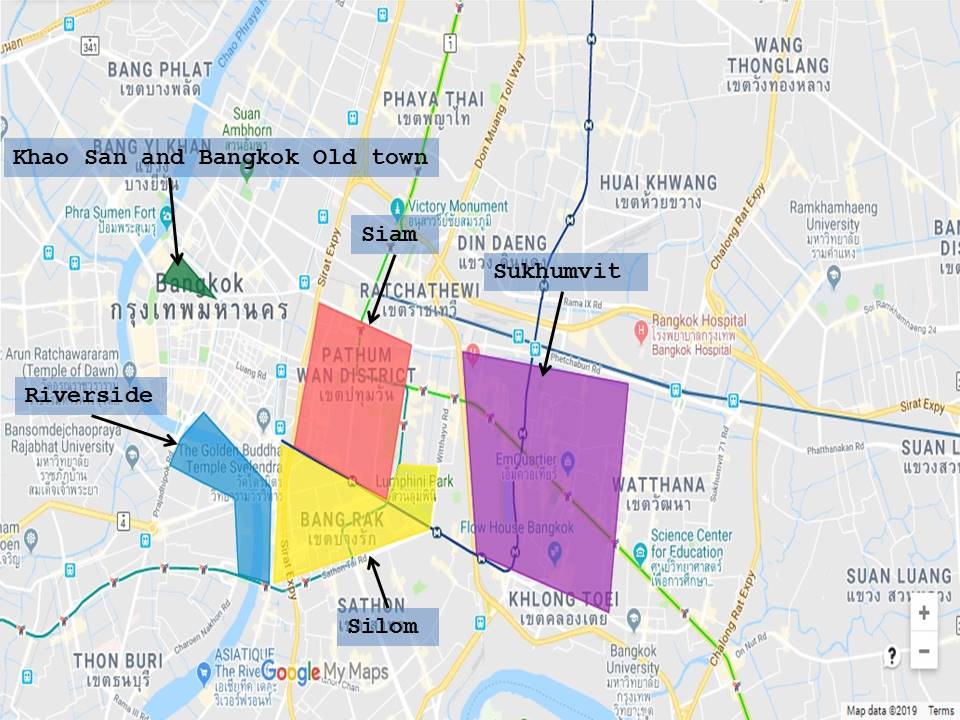
When it comes to finding safe areas in Bangkok, certain neighborhoods consistently receive high praise from travelers. These areas are characterized by lower crime rates, well-lit streets, and a strong presence of both local and tourist-friendly amenities. Below is a list of the most recommended neighborhoods known for their safety:
- Sukhumvit: A popular area for expatriates and tourists, Sukhumvit is well-known for its vibrant nightlife, luxury shopping, and upscale dining. The presence of embassies and upscale hotels adds to its allure, making it a safe choice for travelers.
- Silom: Known as Bangkok’s financial district, Silom features a mix of modern skyscrapers and traditional markets. The area is bustling during the day and relatively calm at night, with police visibility contributing to a safe environment.
- Banglamphu: Home to the famous Khao San Road, Banglamphu offers a more laid-back atmosphere while being close to major attractions like the Grand Palace. The neighborhood has a reputation for being friendly and welcoming, further enhancing its safety profile.
- Riverside: This picturesque area along the Chao Phraya River provides stunning views and a peaceful atmosphere. With numerous luxury hotels and restaurants, Riverside is considered safe, particularly for families and couples looking for a serene stay.
- Chatuchak: Famous for its weekend market, Chatuchak is not only a shopping paradise but also a safe area known for its community vibe. The cleanliness and organization of the market reflect the neighborhood’s overall safety and appeal.
The safety of an area can significantly impact a travel experience. Travelers tend to feel more relaxed and enjoy their surroundings when they know they are in a secure location. For instance, neighborhoods like Sukhumvit and Silom, with their vibrant nightlife and easy accessibility, encourage visitors to explore the city after dark, while Banglamphu’s friendly atmosphere makes it an ideal hub for social interactions. Moreover, a safe environment fosters confidence in exploring local culture and cuisine, which is essential for a fulfilling travel experience. Thus, choosing a safe area not only enhances comfort but also enriches the overall journey in Bangkok.
Factors Affecting Safety in Bangkok
When considering a visit to Bangkok, understanding the various factors that influence safety is crucial. This vibrant city, while generally welcoming to tourists, has its own unique challenges and areas of concern. By examining the crime rates, local amenities, and the presence of police and security, travelers can better assess the safest neighborhoods for their stay in Bangkok.
Crime Rates in Bangkok
Crime rates play a significant role in determining the safety of specific areas within Bangkok. Higher crime rates are often indicative of increased risks for tourists and residents alike. Common crimes in urban settings include petty theft, scams, and occasionally more serious offenses.
“In areas with higher crime prevalence, travelers should exercise caution and remain aware of their surroundings at all times.”
For instance, areas surrounding popular tourist attractions may experience higher levels of petty crime, often targeting unsuspecting visitors. Conversely, neighborhoods with lower crime statistics tend to be more secure and may include residential districts that prioritize community safety and well-being. Regularly updated crime reports from local authorities provide insights into which areas to avoid and which are safer for travelers.
Local Amenities and Their Contribution to Safety
Local amenities significantly contribute to the overall safety of an area. Accessible facilities such as hospitals, pharmacies, and grocery stores not only enhance the quality of life but also provide reassurance for visitors in case of emergencies. In neighborhoods with a well-developed infrastructure, the presence of essential services can indicate a commitment to community welfare and security.
“An area with abundant local amenities often reflects a strong community presence, which can deter criminal activities.”
In addition to basic services, the availability of restaurants, cafes, and recreational spaces can create a vibrant, lively environment where locals and tourists interact. Active neighborhoods with foot traffic are generally safer, as they are less likely to attract criminal activity compared to isolated or poorly lit areas.
Presence of Police and Security
The presence of police and security personnel is a critical factor in assessing safety in Bangkok. Areas with a visible police presence generally exhibit lower crime rates due to the deterrent effect of law enforcement. Tourists are often more comfortable in locations where they can easily access help if needed.
“A strong security presence fosters a sense of safety among residents and visitors alike.”
Many popular tourist districts employ private security measures, enhancing safety in high-traffic areas. For example, shopping malls and major attractions often have security guards visible on site. This proactive approach not only protects visitors but also helps maintain order in bustling environments. When choosing where to stay, travelers should consider neighborhoods known for active policing and community involvement in crime prevention initiatives.
Transport Safety in Bangkok
Navigating Bangkok’s bustling streets can be an adventure in itself, but understanding the safety of various transportation options is crucial for travelers. With a mix of modern and traditional transport systems, Bangkok offers several choices, each with its own safety profile. This section will shed light on the safest modes of transportation available in the city, ensuring you can explore with peace of mind.
Safest Modes of Transportation
When exploring Bangkok, selecting the right mode of transport is vital for both convenience and safety. The following methods are widely regarded as the safest for travelers:
- BTS Skytrain: The elevated train system is not only efficient but also one of the safest ways to travel across the city. With air-conditioned cars and regular service intervals, it minimizes exposure to traffic and potential street hazards.
- MRT Subway: Similar to the BTS, the MRT offers a clean, safe, and reliable underground option for getting around. The stations are well-lit and monitored, ensuring a secure environment for passengers.
- Taxis: While taking a taxi can be safe, it’s essential to use reputable taxi companies and ensure that the driver uses the meter. Mobile apps like Grab have gained popularity for their added safety features.
- Motorbike Taxis: For quick trips through heavy traffic, motorbike taxis can be a safe option when using licensed drivers. Always wear a helmet and follow local regulations.
Safety of Public Transportation Options
Public transportation in Bangkok is generally safe, but understanding the nuances can enhance your travel experience. The BTS and MRT, for instance, are equipped with security measures, including surveillance cameras and regular inspections.
The BTS Skytrain and MRT subway services have strict safety protocols in place, such as:
- Regular maintenance checks of trains and facilities.
- Staff presence at stations to assist passengers and manage emergencies.
- Clear signage and announcements in both Thai and English to guide travelers.
Using these systems not only reduces travel time but also ensures that you are in a controlled environment, reducing the risk of accidents or crime.
Tips for Staying Safe While Navigating the City
While Bangkok’s transportation is generally safe, being proactive about your safety can enhance your travel experience. Here are several tips to keep in mind:
- Be Aware of Your Surroundings: Stay alert when using public transport and avoid distractions such as excessive phone usage.
- Travel in Groups: Whenever possible, travel with others, especially when using modes like motorbike taxis or late-night transport.
- Keep Valuables Secure: Use a secure bag and avoid displaying expensive items to deter pickpockets.
- Plan Your Route: Familiarize yourself with your destination and the available transport options to minimize confusion.
- Use Trusted Apps: Rely on reputable apps for ride-hailing services and navigation to ensure safe and efficient travel.
Accommodation Safety Tips: What Is The Safest Area To Stay In Bangkok?
Choosing the right accommodation is essential for a safe and enjoyable stay in Bangkok. With a bustling urban environment, it is important to be vigilant and select places that prioritize guest safety. By following specific guidelines, travelers can minimize risks and enjoy their experience in this vibrant city.
When selecting a safe accommodation, there are several key aspects to consider that can enhance overall security. Understanding the significance of hotel reviews can provide critical insight into safety experiences shared by previous guests. Additionally, identifying specific features that enhance security within hotels is crucial.
Guidelines for Selecting Safe Accommodations
Selecting a safe place to stay involves researching and considering various factors that contribute to guest safety. Here are some guidelines that can help you make an informed decision:
- Choose well-known hotel chains or reputable local establishments that have a solid track record of safety.
- Verify the location to ensure it is in a well-lit, populated area, preferably near major attractions or public transport.
- Consider accommodations that have 24-hour security personnel and surveillance cameras to enhance safety.
- Look for hotels with secure access points, such as key card entry systems and locked entrances.
- Inquire about the emergency procedures in place, including fire safety measures and evacuation routes.
Importance of Reading Hotel Reviews with a Focus on Safety, What is the safest area to stay in Bangkok?
Hotel reviews serve as valuable resources when it comes to assessing the safety of accommodations. Reviews often highlight experiences related to security, cleanliness, and overall guest satisfaction. Prioritize reviews that include comments about safety measures and the responsiveness of hotel staff. It is important to pay attention to red flags, such as recurring complaints about theft, lack of security, or unresponsive management.
Features to Look for in Hotels that Enhance Security
When evaluating hotels, certain features can significantly enhance security for guests. Consider the following aspects when making your choice:
- In-room safes where guests can securely store valuables.
- Strong door locks and peepholes for added security in guest rooms.
- On-site security staff who monitor the premises and assist guests as needed.
- Smoke detectors and fire alarms in each room and common areas.
- Clear signage for emergency exits and safety protocols.
By thoroughly assessing these safety aspects during your accommodation search, you can ensure a more secure and comfortable stay in Bangkok, allowing you to focus on enjoying all that this vibrant city has to offer.
Cultural Considerations for Safety
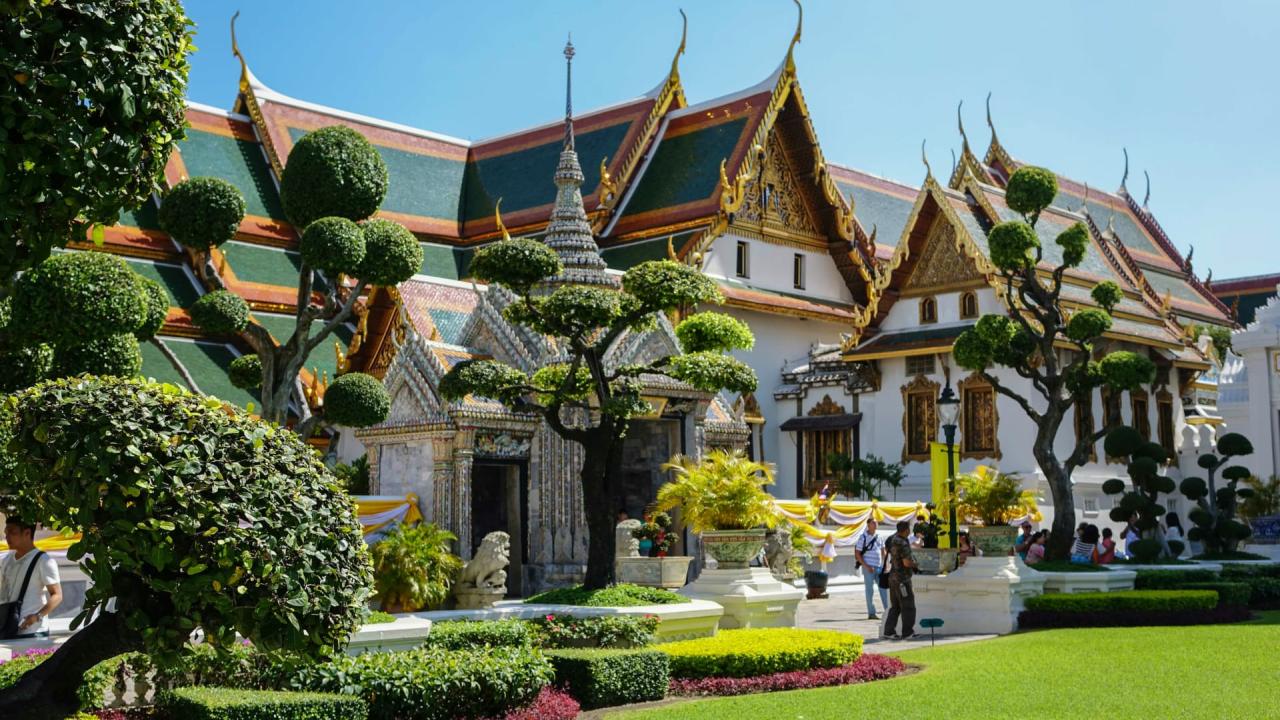
Understanding local customs is essential for personal safety while traveling in Bangkok. The rich cultural tapestry of Thailand is woven with traditions, beliefs, and etiquette that significantly influence social interactions. Familiarizing oneself with these practices not only fosters respect but also enhances the safety of travelers by minimizing the risk of cultural misunderstandings or offenses that could lead to uncomfortable situations.
Cultural awareness plays a vital role in preventing misunderstandings between locals and travelers. In Thailand, for example, showing respect for the monarchy is crucial; negative comments about the royal family can lead to serious legal ramifications. Engaging with local communities can also enhance a traveler’s safety. When visitors interact respectfully with locals, they often gain valuable insights into safe practices, hidden gems, and areas to avoid, making their experience far more enriching and secure.
Understanding Thai Customs and Etiquette
Engaging with the local culture requires a comprehension of key customs and practices that characterize Thai society. Here are some significant cultural considerations that contribute to personal safety:
- Respect for the Monarchy: Always speak respectfully about the royal family and avoid any discussions that could be perceived as negative.
- Head and Feet Etiquette: The head is considered the most sacred part of the body, while the feet are the lowest. Avoid touching anyone’s head and do not point your feet at people or religious artifacts.
- Dress Modestly in Temples: When visiting temples, wear clothing that covers shoulders and knees. This shows respect and helps avoid confrontation with temple guardians.
- Politeness and Manners: Use the traditional “wai” greeting (a slight bow with palms pressed together) as a sign of respect. It can also enhance interactions with locals.
- Public Behavior: Avoid raising your voice or displaying anger in public, as this may be seen as a loss of face and might lead to uncomfortable situations.
“Understanding local customs is not just about etiquette; it is a crucial aspect of ensuring safety and fostering mutual respect.”
Being aware of and adapting to these cultural nuances can significantly minimize the chances of cultural faux pas, thereby enhancing overall safety for travelers navigating the vibrant and bustling streets of Bangkok.
Emergency Resources and Contacts
In bustling Bangkok, knowing the right emergency resources can make all the difference when it comes to ensuring your safety and well-being. This section highlights the essential emergency contact numbers travelers should keep handy, local hospitals and their accessibility, as well as the locations of embassies and consulates for assistance.
Essential Emergency Numbers
Travelers should familiarize themselves with critical emergency numbers to ensure prompt assistance during any crisis. Below are key contacts that prove invaluable:
- Police: Dial 191 for immediate police assistance.
- Ambulance and Medical Emergencies: Call 1669 for emergency medical services.
- Fire Department: Reach the fire department by calling 199.
- Tourist Police: For assistance specifically related to tourists, contact the Tourist Police at 1155.
- Emergency Services for Foreigners: The Thai Foreign Affairs Ministry can be reached at +66 2 575 1053.
Local Hospitals Accessibility
Bangkok is home to numerous hospitals equipped with modern facilities, providing quality medical care. Understanding their locations and accessibility is crucial for any traveler. Below are a few notable hospitals:
- Bangkok Hospital: Located on Sukhumvit 1, it offers comprehensive medical services and is well-regarded among expatriates.
- Chulalongkorn Hospital: Situated near the Siam area, this hospital is known for its specialized care and research facilities, serving both locals and tourists alike.
- Samitivej Sukhumvit Hospital: This hospital is conveniently located on Sukhumvit 49 and is popular for its international patient services.
- BNH Hospital: Based on Convent Road, this private hospital specializes in international healthcare with multilingual staff.
Location of Embassies and Consulates
In case of emergencies involving lost passports, legal issues, or other urgent matters, knowing the locations of embassies and consulates is essential for travelers. Here’s a list of some key embassies:
- United States Embassy: Located at 95 Wireless Road, it provides various services to American citizens.
- British Embassy: Situated at 14 Wireless Road, it assists UK citizens with consular services.
- Australian Embassy: Found at 37 South Sathorn Road, it offers support to Australian nationals in distress.
- Canadian Embassy: Located at 180 Witthayu Road, it provides assistance and services for Canadian citizens.
“Familiarizing yourself with local emergency resources can significantly enhance your safety during your travels in Bangkok.”
Real Traveler Experiences
Traveling to Bangkok can be an exhilarating experience, filled with vibrant culture and diverse attractions. However, safety experiences can vary significantly depending on the areas travelers choose to explore. By examining real-life anecdotes, we can uncover both the challenges and successes that visitors face while navigating the bustling streets of this capital city.
The safety narrative in Bangkok is often colored by the diverse experiences of travelers. From the crowded markets of Chatuchak to the upscale neighborhoods of Sukhumvit, each area evokes a unique set of safety incidents and stories. These anecdotes shed light on the contrasts in safety perceptions across the city, highlighting that while some areas may be relatively safe for tourists, others may present unforeseen challenges.
Traveler Anecdotes from Different Areas
Listening to the stories of those who have traveled to Bangkok provides valuable insights into the actual safety conditions in various neighborhoods. Below are some notable experiences shared by travelers:
- Experience in Khao San Road: A backpacker recounted a night out on Khao San Road, acknowledging the vibrant nightlife yet warning of petty thefts. Several travelers reported losing belongings to pickpockets amid the crowded bars and street vendors. This experience emphasized the need for vigilance in tourist-heavy areas.
- Safety in Sukhumvit: A family traveling through Sukhumvit shared their positive experiences, commenting on the well-lit streets and the presence of security personnel. They felt safe walking back to their hotel after dinner, showcasing that some upscale areas are more secure and better monitored.
- Chatuchak Market Mishaps: A couple visiting Chatuchak Market encountered unexpected difficulties when they lost track of their belongings in the bustling market. Their story serves as a reminder to keep personal items secured and within sight in crowded environments.
- Public Transport Safety: An expat living in Bangkok shared their routine of using the BTS Skytrain, highlighting its efficiency and safety. They mentioned feeling more secure avoiding street traffic, particularly after dark. This showcases that certain transportation options may enhance safety when navigating the city.
“Staying alert in crowded places is key. Always keep your belongings close.” – Khao San Road Traveler
The lessons learned from these anecdotes emphasize the importance of awareness and preparation. Travelers are encouraged to research their destinations, remain vigilant, and adapt to the local culture to ensure a safe and enjoyable experience in Bangkok. Whether it’s choosing the right neighborhood or employing common-sense practices, personal safety remains a pivotal aspect of traveling in this vibrant city.
If you’re planning a getaway to Thailand, understanding the budget is crucial. Many travelers often wonder how much will a 7 day trip to Thailand cost? The expenses can vary based on accommodation, activities, and dining choices. By researching and planning ahead, you can enjoy a fulfilling experience without breaking the bank.
If you’re planning a vacation, you’re probably wondering how much will a 7 day trip to Thailand cost? This enchanting destination offers a mix of culture, adventure, and relaxation, making it a popular choice among travelers. On average, you can expect to spend anywhere from $500 to $1,500, depending on your travel style and activities. Budget wisely to ensure a memorable experience in the Land of Smiles!