What is the nicest neighborhood in Bangkok? This question lingers in the minds of many who seek to uncover the hidden gems within this bustling metropolis. Bangkok is a city of contrasts, where vibrant street life meets serene temples, and modern skyscrapers rise beside traditional markets. Each neighborhood has its own unique character, shaped by culture, community, and convenience, making the search for the “nicest” neighborhood a delightful journey.
As we explore the diverse neighborhoods of Bangkok, we will consider factors that define their appeal, from safety and accessibility to the abundance of amenities. Renowned areas like Sukhumvit and Silom offer rich lifestyle options, while the communal vibes foster a sense of belonging among residents. With insights into housing costs and future trends, this exploration will guide both expats and locals in their quest for the ideal neighborhood.





General Overview of Bangkok Neighborhoods
Bangkok, the vibrant capital of Thailand, is divided into numerous neighborhoods, each with its unique character and charm. From bustling markets to serene parks, the city’s diverse districts cater to various lifestyles, preferences, and cultures. The amalgamation of tradition and modernity also contributes to the richness of these neighborhoods, making them quite distinct from one another. As one explores these areas, it becomes clear that each neighborhood tells its own story, influenced by history, socio-economic factors, and the cultural tapestry of the city.
The ranking of a neighborhood in Bangkok often hinges on several key factors, such as accessibility, amenities, safety, and cultural offerings. Understanding these elements can greatly enhance the experience of both residents and visitors. For instance, neighborhoods that boast excellent public transport links and a multitude of dining and shopping options tend to rank higher. Additionally, the presence of cultural landmarks, parks, and community activities adds to the attractiveness of the area.
Characteristics of Bangkok Neighborhoods
The neighborhoods of Bangkok are not only defined by their physical characteristics but also by the lifestyle they promote. Below are some of the defining features that characterize the neighborhoods throughout the city:
- Vibrant Street Life: Many neighborhoods, especially those in central Bangkok, are alive with street vendors, cafes, and shops, creating a bustling atmosphere.
- Cultural Landmarks: Areas like Rattanakosin boast historical temples and grand palaces, serving as a reminder of the city’s rich heritage.
- Modern Amenities: Neighborhoods such as Sukhumvit are known for high-end shopping malls, international dining options, and luxury residences, appealing to affluent expatriates and locals alike.
- Green Spaces: Areas like Chatuchak are famous for parks and community gardens, offering a peaceful respite amid the urban hustle.
- Local Markets: Districts like Yaowarat (Chinatown) offer a taste of local culture through vibrant food markets, showcasing culinary diversity.
Neighborhoods also reflect the socio-economic diversity of Bangkok. Areas like Thonglor and Ekkamai are known for their upscale living conditions and trendy establishments, attracting young professionals and expatriates. In contrast, neighborhoods such as Khlong Toei provide insight into the city’s working-class community, where traditional markets and local eateries thrive.
“Each neighborhood in Bangkok is a microcosm of its broader culture, revealing the city’s historical evolution and contemporary lifestyle.”
The cultural significance of these neighborhoods cannot be overstated. Local festivals, traditional ceremonies, and communal activities often define the social fabric of these areas, fostering a strong sense of identity and belonging among residents. For example, during the Songkran festival, neighborhoods come alive with water fights and rituals, engaging the community in shared celebrations that highlight Thailand’s rich cultural heritage.
Understanding the diverse characteristics of Bangkok’s neighborhoods provides valuable insights into the city’s identity, making it an intriguing destination for travelers and a vibrant home for its residents.
Factors Defining a ‘Nice’ Neighborhood
Determining what makes a neighborhood ‘nice’ is subjective, yet certain factors consistently emerge as critical. Safety, accessibility, and the availability of amenities play pivotal roles in shaping the desirability of a neighborhood. These elements not only influence individual preferences but also impact property values and community satisfaction.
Importance of Safety and Security
Safety is paramount in assessing neighborhood quality. A secure environment fosters peace of mind for residents, contributing to a higher quality of life. In Bangkok, neighborhoods like Sukhumvit and Silom are known for their low crime rates, which attract families and expatriates alike. Higher safety levels often correlate with increased property values and a stronger community feel. Residents in these areas often report feeling secure, allowing them to enjoy outdoor activities and engage with their neighbors without fear.
“A safe neighborhood is a strong community—where residents feel empowered to interact and thrive.”
Accessibility and Transportation Options
Accessibility is another defining factor in neighborhood desirability. Efficient transportation options can enhance convenience for residents, making daily commutes and leisure activities more manageable. In Bangkok, neighborhoods such as Thonglor and Ari offer excellent connectivity via the BTS Skytrain and MRT subway systems.
The presence of major roads and expressways also facilitates easy travel to various parts of the city. Here are key transportation options that enhance accessibility:
- BTS Skytrain: Rapid transit service with extensive coverage across central Bangkok.
- MRT Subway: An efficient underground transport system connecting key districts.
- Public Buses: A vast network providing economical travel options, though less reliable than trains.
- Motorbike Taxis: Quick and agile transport across congested streets, popular among locals.
Accessible neighborhoods reduce travel time and improve overall living convenience, making them highly desirable.
Availability of Amenities and Services
The abundance of amenities and services significantly enhances living quality in a neighborhood. Proximity to shopping centers, healthcare facilities, schools, parks, and restaurants makes daily life more convenient and enjoyable. For instance, the Chatuchak area is not only famous for its weekend market but also boasts several parks and schools, making it ideal for families.
Here are some essential amenities that enhance a neighborhood’s appeal:
- Shopping Malls: Centers like Central World and Terminal 21 offer diverse shopping and dining experiences.
- Parks and Recreation Areas: Green spaces provide essential relaxation and outdoor activities.
- Healthcare Facilities: Access to quality hospitals ensures residents’ health needs are met promptly.
- Educational Institutions: Proximity to reputable schools attracts families with children.
The presence of these amenities often correlates with higher resident satisfaction and encourages community engagement, making neighborhoods more attractive to potential residents.
Popular Neighborhoods in Bangkok
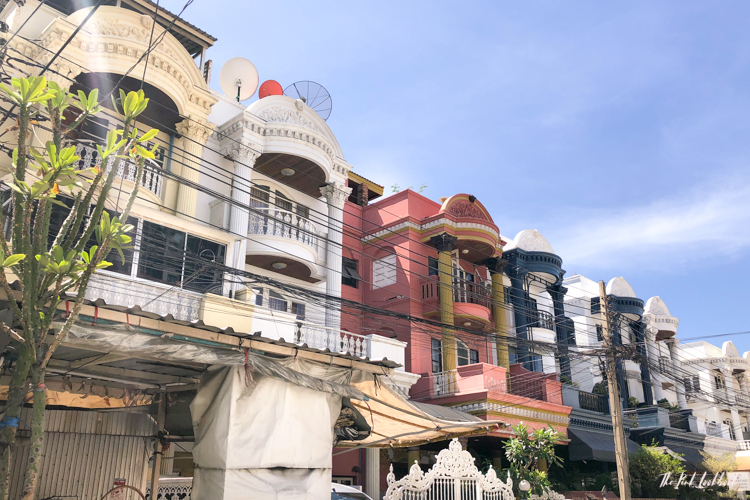
Bangkok, a city rich in culture and diversity, offers a wide array of neighborhoods, each with its own unique charm and lifestyle. From bustling business districts to tranquil residential areas, the city’s neighborhoods cater to varying tastes and preferences. This section delves into some of the most renowned neighborhoods in Bangkok, highlighting their lifestyle offerings and demographics.
Sukhumvit
Sukhumvit is one of Bangkok’s most cosmopolitan neighborhoods, known for its vibrant nightlife, dining options, and shopping experiences. It stretches over 18 kilometers, making it one of the longest roads in the city, and is renowned for its accessibility through the BTS Skytrain.
- Lifestyle Offerings: Sukhumvit is famous for its variety of international restaurants, trendy bars, and upscale shopping malls like EmQuartier and Terminal 21. The area attracts both locals and expats, creating a lively and multicultural atmosphere.
- Demographics: The neighborhood is home to a mix of affluent Thais and expatriates from around the world, including many young professionals and families seeking a dynamic urban lifestyle.
Silom, What is the nicest neighborhood in Bangkok?
Silom is the financial hub of Bangkok, often teeming with professionals during the weekdays and transforming into a vibrant night market scene after hours. The mix of skyscrapers and green parks gives it a balanced urban vibe.
- Lifestyle Offerings: Silom offers an array of dining options, from street food to fine dining establishments. It’s also known for its bustling nightlife, particularly in the Patpong area, which features nightclubs and entertainment venues.
- Demographics: The neighborhood is predominantly populated by office workers and business professionals during the day, while at night, it attracts both locals and tourists looking for entertainment and dining options.
Thong Lor
Thong Lor, or Soi Thonglor, is a trendy neighborhood known for its upscale cafes, boutique shops, and chic nightlife. It appeals to a younger, affluent demographic and is considered a hotspot for Bangkok’s hipster culture.
- Lifestyle Offerings: This area boasts stylish bars, gourmet restaurants, and unique shops, making it a favorite among young professionals and creatives. The neighborhood is also home to several art galleries and co-working spaces.
- Demographics: Thong Lor attracts a diverse crowd, including affluent Thais, expatriates, and young families. Its trendy atmosphere makes it particularly popular among millennials and the creative class.
“Each neighborhood in Bangkok offers a distinct lifestyle, catering to various interests and demographics.”
Local Insights and Community Vibes
Living in Bangkok offers a unique tapestry of experiences shaped by its diverse neighborhoods. Each area presents its own community vibe, reflecting the lives of residents and the social fabric that binds them. From lively street markets to tranquil parks, the charm of a neighborhood often lies in its communal aspects, where connections thrive, and a sense of belonging prevails.
The spirit of a neighborhood is greatly defined by its residents and their interactions. In Bangkok, local insights reveal that communal activities play a significant role in fostering relationships among neighbors. Many residents take pride in engaging with each other during neighborhood events, festivals, and communal gatherings. This sense of community not only enhances the living experience but also contributes to overall well-being.
Community Events and Activities
Each neighborhood in Bangkok hosts various community events that reflect its unique character. These activities are essential for building camaraderie and fostering a sense of belonging among residents. Here’s a look at some notable events across popular neighborhoods:
- Sukhumvit: Known for its vibrant expatriate community, Sukhumvit hosts numerous international food festivals that bring together local and foreign residents alike. Regular outdoor movie nights in parks foster a relaxed atmosphere where families and friends gather.
- Ari: The charming Ari neighborhood thrives on its local markets and art events. Monthly weekend markets featuring local artisans and food vendors create an inviting environment for socializing and supporting local businesses.
- Thonburi: This riverside area embraces its cultural heritage with traditional festivals. The annual Thai New Year celebrations often include boat races and community feasts, showcasing the close-knit relationships among residents.
- Chatuchak: Hosting one of the largest weekend markets in the world, Chatuchak offers a blend of shopping and socializing. Community-driven initiatives like fitness classes in the park encourage health and well-being while fostering community spirit.
Residents often share stories of how such events have allowed them to forge friendships and strengthen ties with their neighbors. For example, in Ari, many have described spontaneous weekend gatherings following markets, where new acquaintances quickly turn into lifelong friends, enhancing their sense of belonging in the community.
“Living in a neighborhood like Ari has transformed my social life. The weekend markets are not just for shopping; they are a hub for meeting new people and sharing experiences.” – Local Resident
As Bangkok continues to evolve, the importance of community-led initiatives remains pivotal in maintaining the charm of its neighborhoods. Engaging in local events allows residents to connect and contribute to a vibrant community landscape, solidifying their roots in this bustling metropolis.
Cost of Living and Housing Options
The cost of living in Bangkok’s nicest neighborhoods can vary significantly based on the type of housing and location. Understanding the housing landscape is essential for anyone looking to settle in this vibrant city. From luxurious condos to charming townhouses, the choices are plentiful, but they come with a range of price tags that reflect the desirability of each area.
Housing types in Bangkok’s sought-after neighborhoods include modern high-rise condominiums, traditional Thai-style homes, and chic boutique apartments. High-rises often provide amenities such as swimming pools, gyms, and 24-hour security, appealing to both expatriates and locals. Traditional homes, while less common in prime areas, offer unique architectural styles and a sense of local culture. Boutique apartments tend to attract young professionals and couples looking for a trendy living space in the heart of the action.
Housing Costs Overview
The cost of renting or buying property in Bangkok’s most desirable neighborhoods is influenced by several factors, including proximity to public transport, local amenities, and the overall demand for housing in the area. Here are some vital aspects to consider regarding housing costs:
– Rental Prices: Monthly rental costs can differ widely based on the neighborhood and type of accommodation. High-end areas like Sukhumvit or Silom often command higher rents due to their proximity to business districts and nightlife.
– Purchase Prices: When considering buying property, prices per square meter can skyrocket in prime areas, reflecting the investment’s long-term potential and desirability.
– Utility Costs: Apart from rent or mortgage payments, residents should budget for utilities, which can add up depending on lifestyle and housing type.
The following table illustrates the average rental prices across various neighborhoods in Bangkok for similar housing types, providing a clear comparison for prospective residents:
| Neighborhood | 1-Bedroom Apartment (Monthly Rent) | 2-Bedroom Apartment (Monthly Rent) | Price per Square Meter (Purchase) |
|---|---|---|---|
| Sukhumvit | 30,000 – 50,000 THB | 50,000 – 80,000 THB | 150,000 – 250,000 THB |
| Silom | 25,000 – 45,000 THB | 45,000 – 75,000 THB | 140,000 – 230,000 THB |
| Thonglor | 35,000 – 60,000 THB | 60,000 – 100,000 THB | 180,000 – 300,000 THB |
| Riverside | 28,000 – 50,000 THB | 50,000 – 85,000 THB | 160,000 – 270,000 THB |
For anyone considering a move to Bangkok, it’s crucial to analyze these costs closely to ensure the best fit for their lifestyle and budget. Understanding the dynamics of the housing market can lead to informed decisions and a smoother transition into these vibrant neighborhoods.
Recommendations for Expats and Locals
Choosing the right neighborhood in Bangkok can be a pivotal decision for both expats and locals alike, impacting not only daily life but also overall happiness and integration within the community. With the city’s diverse offerings, understanding individual preferences is crucial to finding a suitable area that aligns with lifestyle needs and aspirations.
When selecting a neighborhood in Bangkok, several essential factors should be considered to ensure a comfortable living experience. Here are some key tips tailored specifically for expats:
Tips for Choosing the Right Neighborhood
Finding the perfect spot in Bangkok requires careful thought about personal priorities and daily activities. The following points offer guidance on how to assess neighborhoods:
- Proximity to Work: Consider the distance and travel time to your workplace. Areas like Sukhumvit and Silom may be preferred for their accessible public transport systems.
- Family Needs: Families may prioritize neighborhoods with good schools, parks, and family-friendly amenities. Areas such as Bang Na and Thonglor are known for their family-oriented facilities.
- Cultural Fit: Understand the local customs and lifestyle of the potential neighborhood. Some areas, like Ari or Ekkamai, have a vibrant expat community, which can make for a smoother transition.
- Social Life: If nightlife or dining out is important, look at neighborhoods with bustling entertainment options, such as Sathorn or the old town area around Khao San Road.
- Safety and Security: Always assess the safety of the area. Local neighborhoods usually have a community watch, which fosters a sense of security.
- Cost of Living: Factor in your budget for housing. Neighborhoods like Ratchada and Lat Phrao may offer more affordable options compared to the more upscale Sukhumvit.
Essential Considerations for Expats
Expats moving to Bangkok should be aware of specific considerations when choosing their new neighborhood. These considerations help facilitate a smoother transition and enhance the living experience:
- Language Barriers: Areas with a high expat population typically have English-speaking residents and businesses, making communication easier. Sukhumvit is one such area known for its cosmopolitan environment.
- Access to International Amenities: Expats often require services such as international schools, hospitals, and grocery stores catering to Western tastes. Locations like Chatuchak and Phrom Phong provide a range of these amenities.
- Public Transportation: Evaluate the availability and efficiency of public transport options. Neighborhoods with BTS and MRT stations offer better connectivity to other parts of the city.
- Community Events: Engage with local expat groups or community events to foster connections and build a social network. Many areas host international festivals and markets, enriching the expat experience.
Resident Testimonials and Lifestyle Insights
Real-life experiences from residents can provide invaluable insights into neighborhood living. Here are a few testimonials that highlight the community vibes and lifestyle of various areas:
“Living in Thonglor has been fantastic for my family. The parks are great for my kids, and the restaurants offer a variety of cuisines. We love our community!” – Sarah, expat teacher.
“Moving to Ekkamai has been a dream. The nightlife and cafes suit my social life perfectly, and I’ve met so many amazing people here.” – Mark, digital nomad.
“I chose to live in Bang Na because it’s quieter and more affordable compared to the busy city center. Plus, the local markets are vibrant and friendly!” – Prasit, local resident.
These testimonials reflect the diverse experiences in different neighborhoods, showcasing how individual preferences shape one’s living situation in Bangkok. By considering all these factors, both expats and locals can make informed decisions that enhance their quality of life in this bustling metropolis.
Future Trends in Bangkok Neighborhoods: What Is The Nicest Neighborhood In Bangkok?
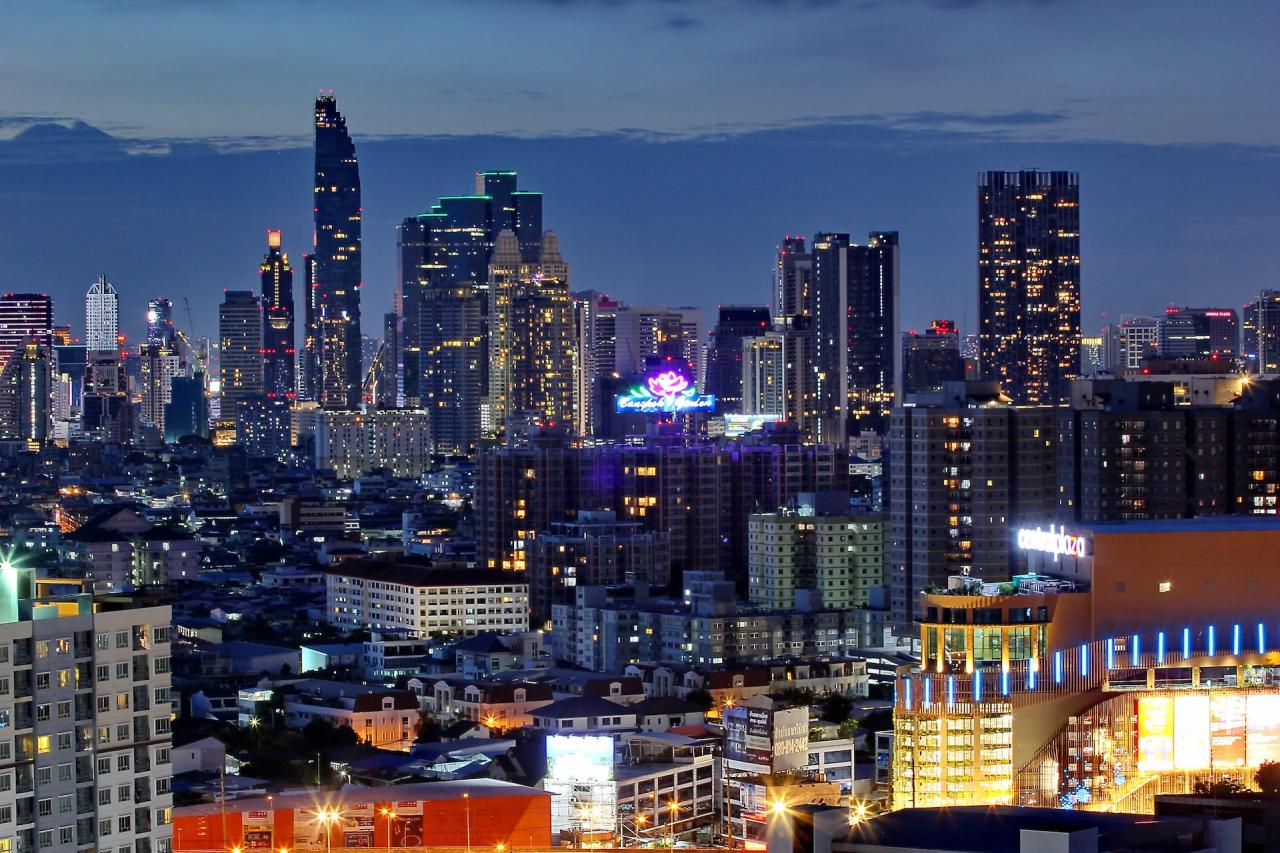
As Bangkok continues to evolve, the dynamics of its neighborhoods are shifting, driven by various socio-economic factors and urban development projects. Emerging neighborhoods are becoming increasingly popular among both locals and expats, reshaping the landscape of this vibrant city. Understanding these trends is crucial for those looking to invest or settle in Bangkok.
Urban development projects are pivotal in influencing neighborhood dynamics, leading to a transformation in areas that were previously overlooked. Major initiatives include improved public transportation systems, mixed-use developments, and green spaces, all aimed at enhancing the quality of life for residents. These projects not only attract new residents but also stimulate local economies.
Emerging Neighborhoods
Several neighborhoods in Bangkok are gaining traction due to their unique offerings and strategic developments. The following areas are noteworthy as they exhibit potential for growth and increasing desirability:
- Phra Khanong: Once a quiet area, Phra Khanong is rapidly transforming into a trendy hub with numerous cafés, restaurants, and boutiques. Its proximity to the BTS Skytrain has made it an attractive option for young professionals.
- Ekkamai: Known for its vibrant nightlife and cultural scene, Ekkamai is drawing attention from expats and artists alike. The area is seeing an influx of modern developments, making it a desirable location for both living and leisure.
- Lat Phrao: With ongoing public transport expansions, Lat Phrao is becoming increasingly accessible. This neighborhood is known for its spacious apartments and family-friendly environment, appealing to those seeking a quieter lifestyle while still being connected to the city’s bustling core.
- Ratchada: The Ratchada area is experiencing rapid gentrification with new shopping malls and entertainment complexes. Its emerging status among younger demographics is a testament to its developmental momentum.
Urban Development Projects
Several significant urban development projects are set to reshape Bangkok’s neighborhoods in the coming years. These initiatives aim to improve infrastructure, connectivity, and livability across the city. Some of the noteworthy projects include:
- Bangkok Transit System Expansion: The expansion of the BTS and MRT networks is underway, improving access to previously underserved areas. This will likely increase property values and attract new businesses.
- Green Space Initiatives: Projects like the “Bangkok Green Plan” focus on creating more parks and green corridors, enhancing urban biodiversity and providing residents with recreational spaces.
- Mixed-Use Developments: Developments like The PARQ and The Forestias integrate residential, commercial, and recreational spaces, fostering a community-centered environment that appeals to modern lifestyles.
Potential Housing Market Changes
The housing market in Bangkok is poised for changes influenced by both emerging neighborhoods and urban development trends. As areas become more desirable, a rise in property values is anticipated, along with a shift in rental dynamics.
- Increased Demand for Rental Properties: With expats increasingly seeking homes in developing neighborhoods like Ekkamai and Phra Khanong, demand for rental properties is expected to rise, potentially leading to higher rental prices.
- Shift Towards Co-Living Spaces: The trend of co-living spaces is on the rise, catering to younger tenants who prefer flexibility and community living. These spaces often provide amenities that appeal to a lifestyle increasingly centered on experiences.
- Investment Opportunities: Areas undergoing development will likely attract real estate investors looking for profitable opportunities. Identifying these areas early can provide significant returns in the long run.
If you’re planning a getaway, you might be wondering how much will a 7 day trip to Thailand cost? This budget-friendly destination offers a range of experiences, from stunning beaches to vibrant nightlife. Depending on your travel style, costs can vary significantly, so it’s essential to plan ahead. Understanding the average expenses will help you enjoy your trip without financial stress.
Planning a trip to Thailand? You might be wondering how much a 7-day trip to Thailand will cost. From flights to accommodations and delicious street food, the expenses can vary greatly depending on your travel style. Budget travelers can explore Thailand without breaking the bank, while those seeking luxury experiences will find a range of high-end options. Understanding the costs will help you make the most of your adventure.