Which area in Bangkok is the best to stay? Navigating the vibrant streets of Thailand’s capital can be both exciting and overwhelming, especially for first-time visitors. With a tapestry of neighborhoods each offering unique experiences, from the bustling nightlife of Khao San Road to the upscale ambiance of Sukhumvit, determining your ideal base can shape your adventure. This guide will explore the most popular districts, their attractions, and the many accommodations available, helping you find the perfect spot to call home during your Bangkok journey.
From cultural hubs to shopping paradises, Bangkok presents a diverse array of options for every type of traveler. Each area boasts its own flavor, making it essential to understand what each district has to offer in terms of amenities, accessibility, and safety. Whether you crave local street food, upscale dining, or vibrant nightlife, there’s something for everyone in this dynamic city.

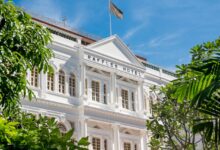
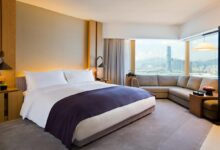

Popular Areas in Bangkok: Which Area In Bangkok Is The Best To Stay?
Bangkok, the vibrant capital of Thailand, is a city brimming with energy, culture, and diversity. Each district offers a unique atmosphere, making it essential for visitors to choose the right area to fully experience what the city has to offer. From bustling markets to serene temples, the following popular districts cater to various preferences and interests.
Sukhumvit District
Sukhumvit is one of Bangkok’s most famous areas, known for its modernity and cosmopolitan vibe. It boasts a wide range of international dining options, shopping malls, and nightlife spots. The district is well-connected by the BTS Skytrain, making it convenient for travelers to explore the city.
- Amenities: Sukhumvit is home to luxury hotels, spas, and high-end shopping centers such as EmQuartier and Terminal 21.
- Attractions: Key attractions include the sprawling Benjasiri Park, the upscale shopping venues, and an array of bars and clubs catering to various tastes.
- Cultural Significance: Sukhumvit reflects Bangkok’s rapid urban development and international influences, making it a hub for expatriates and tourists alike.
Silom District
Silom is known as Bangkok’s central business district, where modern skyscrapers blend with traditional markets and street food stalls. This area offers a mix of professional life by day and vibrant nightlife by night.
- Amenities: In Silom, visitors can find numerous hotels catering to business travelers, along with dining options that range from street food to upscale restaurants.
- Attractions: Notable attractions include Lumpini Park, a green oasis in the city, and the famous Patpong Night Market, known for its lively atmosphere.
- Cultural Significance: Silom showcases the duality of Bangkok, where business and leisure coexist, offering visitors an authentic experience of Thai urban life.
Khao San Road
Famed as a backpacker haven, Khao San Road is an eclectic mix of budget accommodations, bars, and street vendors. This area captures the youthful spirit of Bangkok and is a must-visit for new travelers.
- Amenities: Khao San Road offers budget-friendly hostels and guesthouses, along with lively bars and affordable eateries.
- Attractions: Visitors can explore nearby attractions such as the historic sites of Wat Chana Songkhram and the National Museum, along with vibrant nightlife options.
- Cultural Significance: This area embodies the bohemian lifestyle and serves as a melting pot of cultures, making it a crucial stopping point for international travelers.
Accommodation Options
In Bangkok, a city known for its vibrant culture and bustling streets, choosing the right accommodation can significantly enhance your travel experience. With a variety of options ranging from budget hostels to luxurious hotels, each district offers something unique to cater to different preferences and budgets. Understanding the types of accommodations available in various areas can help you make an informed decision on where to stay.
Bangkok’s accommodation scene is diverse, featuring various types that suit every traveler’s needs. Whether you’re looking for a chic boutique hotel in the heart of the city or a budget-friendly hostel near public transport, the options are abundant. Below, we delve into the accommodation types found in popular districts along with examples and price ranges.
Types of Accommodations by District
In this section, we Artikel the various accommodation types available in key districts of Bangkok, providing examples of popular hotels, hostels, and serviced apartments.
| District | Type | Name | Price Range (per night) |
|---|---|---|---|
| Silom | Hotel | Amara Bangkok Hotel | 3,500 – 5,500 THB |
| Silom | Hostel | Hostel 61 | 300 – 800 THB |
| Silom | Serviced Apartment | Siri Sathorn Executive Serviced Apartment | 2,000 – 4,000 THB |
| Sukhumvit | Hotel | JW Marriott Hotel Bangkok | 5,000 – 9,000 THB |
| Sukhumvit | Hostel | Back Home Hostel | 400 – 1,000 THB |
| Sukhumvit | Serviced Apartment | Furnished Apartments Sukhumvit | 3,500 – 7,000 THB |
| Khao San Road | Hotel | Rambuttri Village Inn | 900 – 2,000 THB |
| Khao San Road | Hostel | Baan Khao San | 250 – 600 THB |
| Khao San Road | Serviced Apartment | Khaosan Palace Hotel | 1,500 – 3,000 THB |
Each district features unique accommodation options that reflect the character of the area, making it essential to choose wisely based on your itinerary and preferences. Notably, prices can vary based on the season, availability, and specific amenities offered. For instance, luxury hotels in Sukhumvit cater to those seeking high-end experiences, while budget travelers may find comfort in hostels found in Khao San Road, known for its backpacker vibe.
Accessibility and Transport
Navigating Bangkok’s bustling streets can be both exhilarating and daunting for first-time visitors. Understanding the various public transportation options available can significantly enhance your travel experience, ensuring you can explore the city’s vibrant neighborhoods with ease.
Bangkok offers an extensive and efficient public transportation system, making it relatively straightforward to get around the city regardless of where you choose to stay. Key modes of transport include the BTS Skytrain, MRT subway, buses, and taxis, each serving different neighborhoods and attractions. The BTS and MRT are particularly popular as they avoid the notorious traffic jams that Bangkok is known for.
Public Transportation Options
Each area in Bangkok has its own unique transport options, catering to both locals and tourists. Below are the primary modes of public transport available:
– BTS Skytrain:
– An elevated rail system that connects many of Bangkok’s major districts.
– Stations are strategically located near shopping centers, hotels, and popular attractions.
– MRT Subway:
– A rapid transit system that complements the BTS by covering areas not served by the Skytrain.
– Provides access to cultural sites, shopping areas, and business districts.
– Buses:
– A more economical option, with a comprehensive network covering the entire city.
– Can be slower due to traffic but offers a genuine experience of local life.
– Taxis and Motorbike Taxis:
– Taxis are plentiful and relatively inexpensive, but be sure to insist on using the meter.
– Motorbike taxis are ideal for quick trips through congested areas.
– Boats and Ferries:
– The Chao Phraya River and its canals offer boat transport that provides a scenic view of the city.
– A great way to bypass road traffic and reach destinations along the riverside.
Convenience of Getting Around, Which area in Bangkok is the best to stay?
Getting around Bangkok varies significantly depending on the neighborhood you choose to stay in. Areas near BTS and MRT stations, such as Sukhumvit, Silom, and Siam, allow for quick access to popular attractions and shopping destinations. In contrast, neighborhoods further from these transit lines may require additional time to navigate, especially during peak hours.
The central districts have a well-defined layout, making it easier for visitors to orient themselves. Additionally, many hotels offer shuttle services to nearby transport hubs, further enhancing accessibility.
Transport Tips for First-Time Visitors
Being aware of specific tips can greatly improve your travel experience in Bangkok. Here are essential transport tips for first-time visitors:
– Familiarize Yourself with Transport Apps: Download apps like Grab for taxi services and Google Maps for route planning.
– Purchase a Rabbit Card: If using the BTS frequently, a Rabbit card provides cashless access and can save you time at ticket machines.
– Plan for Rush Hours: Try to travel during off-peak hours (weekdays before 7:30 AM and after 6:00 PM) to avoid crowded trains and buses.
– Dress Comfortably: The weather can be hot and humid, so wear light clothing and comfortable shoes for walking between stations.
– Stay Alert with Your Belongings: Keep an eye on your personal items, especially in crowded areas and on public transport.
– Learn Basic Thai Phrases: Knowing how to say “hello,” “thank you,” and “where is…?” in Thai can be very helpful.
“Bangkok’s transport system is a lifeline for both locals and travelers, offering diverse options to explore the city’s wonders.”
Local Attractions and Activities
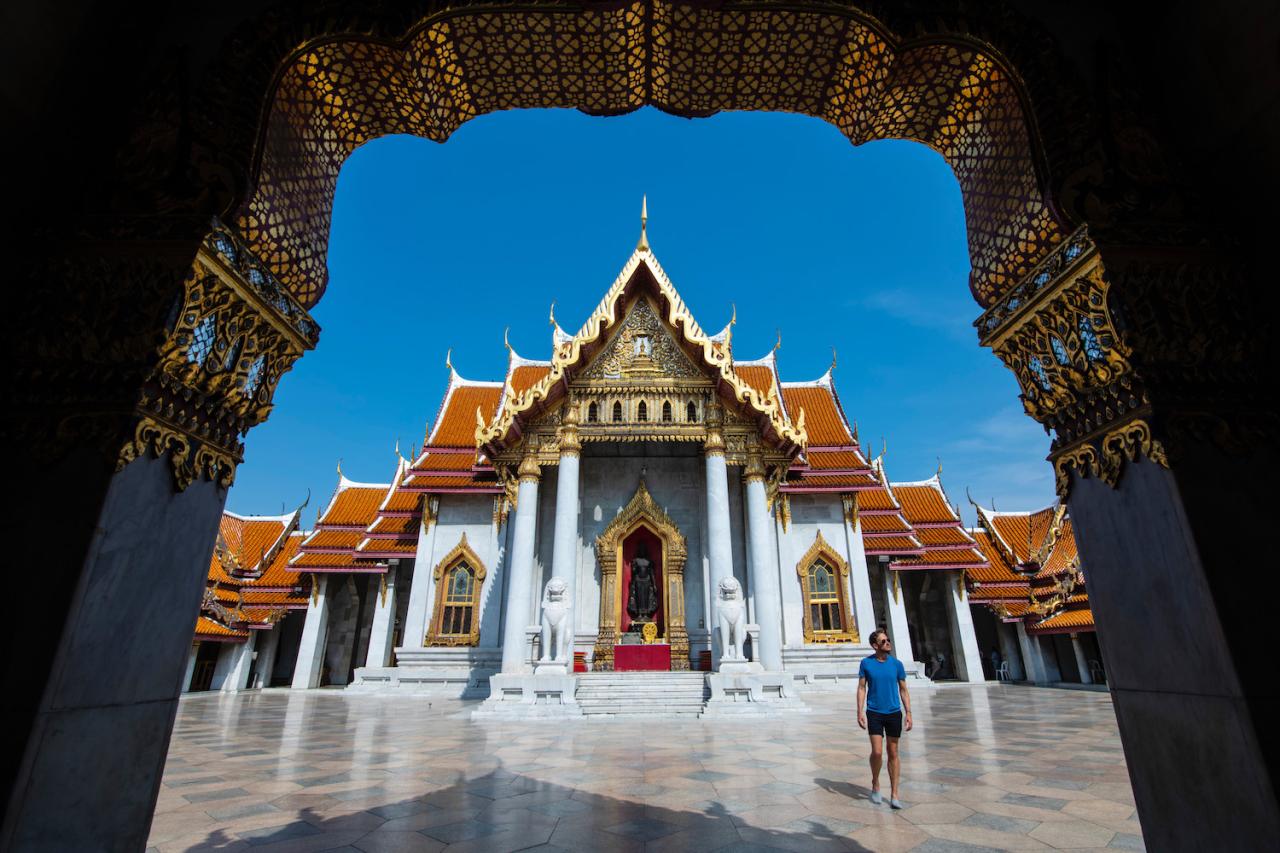
Bangkok is a vibrant city teeming with attractions and activities that cater to every taste and preference. Each district offers its own unique blend of cultural experiences, entertainment options, and shopping opportunities. This section highlights key attractions and recommended activities, ensuring that visitors can immerse themselves in the local flavor of each area.
Many popular districts in Bangkok are home to iconic landmarks and activities that define the city’s charm. From the historical temples in Rattanakosin to the bustling markets in Chatuchak, each area provides distinct experiences that are worth exploring. Below, we categorize these attractions based on their type, allowing travelers to easily plan their itinerary according to their interests.
Cultural Attractions
Cultural attractions in Bangkok offer visitors a glimpse into Thailand’s rich heritage. Here are some must-visit cultural sites across different districts:
| District | Attraction | Description |
|---|---|---|
| Rattanakosin | The Grand Palace | A stunning architectural marvel and the former residence of Thai monarchs. |
| Rattanakosin | Wat Pho | Home to the famous Reclining Buddha and a center for traditional Thai massage. |
| Banglamphu | Wat Saket | Also known as the Golden Mount, this temple offers panoramic views of the city. |
| Khlong San | Wat Arun | An iconic riverside temple known for its stunning architecture and beautiful views at sunset. |
Entertainment Options
Bangkok’s entertainment scene is dynamic and diverse, providing various activities for both night owls and families. Here are some popular entertainment options across different districts:
| District | Attraction | Description |
|---|---|---|
| Sukhumvit | Terminal 21 | A shopping mall themed after an airport with each floor representing a different city. |
| Silom | Patpong Night Market | A famous night market known for its vibrant nightlife and various goods. |
| Ratchada | Ratchada Train Night Market | A lively market offering street food, vintage items, and local handicrafts. |
| Asiatique | Asiatique The Riverfront | A waterfront night market combining shopping, dining, and entertainment options. |
Shopping Experiences
Shopping in Bangkok ranges from luxury malls to local markets, each offering unique items. Here are some notable shopping spots:
| District | Attraction | Description |
|---|---|---|
| Chatuchak | Chatuchak Weekend Market | The largest market in Thailand, featuring over 15,000 stalls selling everything imaginable. |
| Siam | Siam Paragon | A high-end shopping destination with luxury brands, gourmet food, and entertainment options. |
| MBK Center | MBK Center | A popular shopping mall known for affordable electronics, clothing, and souvenirs. |
Bangkok is an exciting city where cultural heritage meets modern entertainment and shopping opportunities. With so many attractions and activities available, visitors can easily find something that suits their interests, whether it’s exploring ancient temples, indulging in retail therapy, or enjoying a lively night market.
Safety and Local Culture
When considering where to stay in Bangkok, understanding safety and local culture is paramount. Each neighborhood offers a unique atmosphere along with varying levels of safety, and familiarizing oneself with local customs enhances the travel experience. This section explores safety concerns across different areas and highlights notable cultural practices that visitors should respect.
Safety Considerations in Different Neighborhoods
Safety in Bangkok can vary significantly from one neighborhood to another. While the city is generally safe for tourists, certain areas have a reputation for higher crime rates or safety concerns.
- Sukhumvit: This bustling area is popular among expatriates and tourists alike, featuring a vibrant nightlife and numerous hotels. Although generally safe, petty crimes like pickpocketing can occur, especially in crowded places.
- Khao San Road: Known as a backpacker hub, Khao San Road can become quite chaotic, especially at night. While violent crime is rare, travelers should remain vigilant against scams and theft.
- Silom: Home to the financial district and a famous night market, Silom is relatively safe. However, it’s advisable to stay cautious in less populated areas after dark.
- Chinatown (Yaowarat): This historic area is safe for strolling, especially during the day. Visitors should be aware of traffic and watch for busy markets that could attract opportunistic theft.
Local Customs and Etiquette
Familiarizing oneself with the local customs and etiquette can significantly enrich a visitor’s experience in Bangkok. Understanding cultural norms promotes respect and enhances interactions with the local populace.
- Greetings: A traditional Thai greeting involves a slight bow with palms pressed together in a prayer-like gesture known as the ‘wai.’ This gesture reflects respect and is often reciprocated.
- Dress Code: When visiting temples or royal sites, modest attire is essential. Shoulders and knees should be covered, and shoes must be removed when entering sacred spaces.
- Dining Etiquette: It is customary to eat with a fork and spoon; the fork is used to push food onto the spoon, which is then brought to the mouth. Sharing food is common, and it’s polite to wait for the host to start the meal.
- Respecting the Monarchy: Thailand has strict laws regarding the monarchy. Speaking negatively about the royal family can lead to severe penalties, so it’s crucial to be respectful in discussions.
Cultural Experiences in Specific Areas
Bangkok is a city rich in culture, with each neighborhood offering unique experiences that reflect the country’s heritage and traditions.
- Rattanakosin Island: Home to the Grand Palace and Wat Phra Kaew, visitors can immerse themselves in the royal history and architecture of Thailand. The atmosphere is enriched with guided tours that share fascinating tales of the monarchy.
- Chatuchak Weekend Market: A cultural phenomenon, this market showcases a blend of local arts, crafts, and food. It offers a vibrant experience where visitors can engage with local vendors and sample authentic Thai street food.
- Bangkok Art and Culture Centre (BACC): This contemporary art hub offers exhibitions, performances, and workshops, providing insight into Thailand’s modern artistic landscape. It’s a destination for those interested in contemporary cultural expressions.
- Asiatique The Riverfront: Combining shopping and entertainment, this riverside market features a Ferris wheel and various eateries, creating a lively atmosphere where traditional Thai culture meets modern leisure.
Dining and Nightlife
Bangkok’s vibrant dining and nightlife scene is a significant draw for both tourists and locals alike. From street food stalls to high-end restaurants, there’s an array of culinary experiences available, each offering a taste of the city’s rich culture. The nightlife is equally enticing, featuring lively bars, nightclubs, and entertainment venues that cater to various tastes and preferences.
Dining in Bangkok is a journey through flavor, with each district boasting its unique culinary offerings. Here are some popular areas along with their must-try dishes and favorite restaurants:
Popular Restaurants by District
In Bangkok, dining is an adventure that showcases the city’s diverse food culture. Below are some recommendations across different districts, complete with signature dishes.
- Sukhumvit: Known for its international cuisine, Sukhumvit features the renowned Bo.lan, which focuses on authentic Thai flavors with a modern twist. Must-try dish: Gaeng Kiew Wan (Green Curry).
- Chinatown (Yaowarat): A paradise for street food enthusiasts, this area is famous for Raan Jay Fai, a Michelin-starred street vendor. Must-try dish: Drunken Noodles.
- Riverside: With stunning views, the riverside area hosts Supanniga Eating Room, serving traditional Thai meals. Must-try dish: Nam Prik Ong (spicy tomato dip).
- Silom: Known for its vibrant nightlife, this district is home to Eat Me, which offers a fusion of Thai and Western dishes. Must-try dish: Grilled Lamb.
- Khao San Road: A favorite among backpackers, this area features Madame Musur for delicious Thai cuisine. Must-try dish: Pad Thai.
The nightlife in Bangkok is equally diverse, offering everything from chic rooftop bars to energetic nightclubs. Travelers can find venues that suit any mood, whether it’s a laid-back night with cocktails or dancing till dawn.
Vibrant Nightlife Venues
The nightlife throughout the city ranges dramatically, with areas like Sukhumvit and Silom at the forefront of after-dark activities. Here’s a snapshot of popular nightlife spots:
- Sky Bar at Lebua State Tower: Famous for its breathtaking views of the city skyline.
- Route 66: A popular nightclub in RCA, known for its energetic atmosphere and diverse music.
- Khao San Road: A hub for backpackers with numerous bars, street parties, and live music.
- Octave Rooftop Lounge & Bar: Offers panoramic views and a chic atmosphere, perfect for sunset cocktails.
“Bangkok’s nightlife is an electrifying experience. From rooftop bars with stunning views to vibrant street parties, there’s something for everyone. The energy is contagious, and it’s a must-experience aspect of the city.” – A traveler’s review.
For food enthusiasts and nightlife seekers, Bangkok provides an endless array of options that offer a taste of the local culture. Whether it’s savoring street food with locals or enjoying a cocktail at a rooftop bar, the city promises unforgettable dining and nightlife experiences.
Shopping Experiences
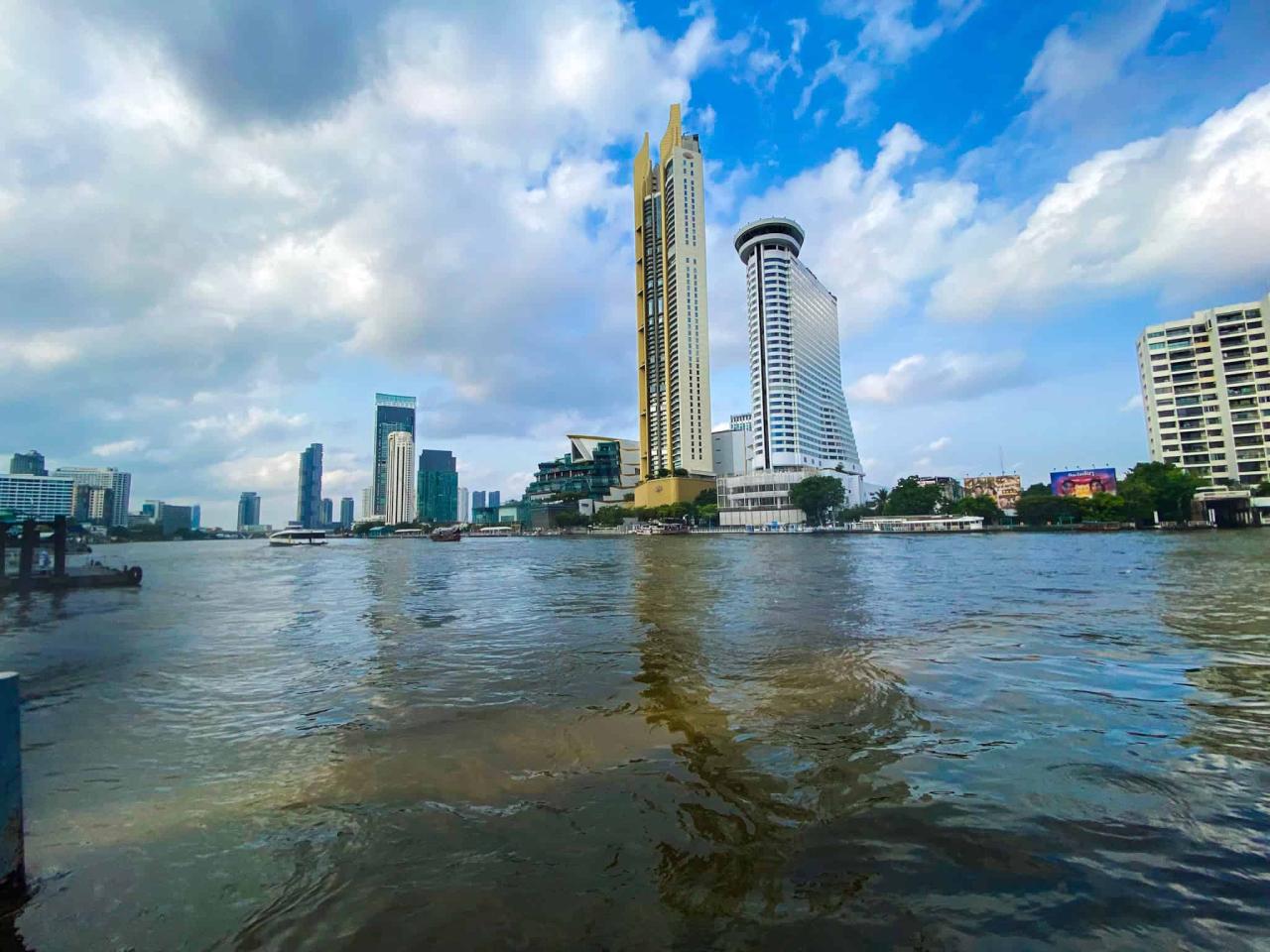
Bangkok is renowned for its vibrant shopping culture, offering an array of options from bustling markets to luxury malls. Each area provides a unique shopping experience, catering to various tastes and budgets. Whether you’re hunting for traditional Thai handicrafts, the latest fashion trends, or simply indulging in retail therapy, Bangkok has it all.
The city’s shopping scene is diverse, with each location presenting different products and price ranges. From the high-end boutiques of Siam to the eclectic stalls of Chatuchak Weekend Market, shoppers can find everything they desire. The contrast between luxury shopping centers and local markets encapsulates the essence of Bangkok’s consumer culture.
Shopping Venues Overview
Exploring the various shopping venues across Bangkok reveals a range of opening hours and unique features that cater to different shopping preferences. Below is a comparative table detailing the main shopping locations, their operating hours, and any special features they may have.
| Shopping Venue | Opening Hours | Special Features |
|---|---|---|
| MBK Center | 10:00 AM – 10:00 PM | Over 2,000 shops offering electronics, clothing, and souvenirs. |
| Siam Paragon | 10:00 AM – 10:00 PM | Luxury brands, gourmet food hall, and an aquarium. |
| Chatuchak Weekend Market | 9:00 AM – 6:00 PM (Saturday & Sunday) | Thousands of stalls selling everything from vintage items to artisanal crafts. |
| Terminal 21 | 10:00 AM – 10:00 PM | Themed floors representing different global cities and a wide array of dining options. |
| Platinum Fashion Mall | 9:00 AM – 8:00 PM | Wholesale fashion shopping with competitive prices. |
The price comparison among these venues can be quite significant. For instance, while luxury brands at Siam Paragon may demand premium prices, the same types of clothing can often be found at a fraction of the cost in markets like Chatuchak. Additionally, items in MBK Center and Platinum Fashion Mall typically allow for negotiation, further enhancing the shopping experience.
“Shopping in Bangkok is not just about acquiring goods; it’s an experience filled with culture, flavors, and vibrant interactions.”
When planning a trip to Thailand, choosing the right location is crucial for an unforgettable experience. Each region offers a unique blend of culture, scenery, and activities. To find out more about the options available, check out this guide on which part of Thailand is best to stay in , helping you decide whether vibrant Bangkok or serene Chiang Mai fits your travel style better.
When planning a trip to Thailand, one of the key questions is, which part of Thailand is best to stay in? Each region offers unique experiences, from the bustling streets of Bangkok to the serene beaches of Phuket. Understanding the characteristics of each area will help tailor your stay to match your travel preferences, ensuring a memorable adventure in this vibrant country.