Which part of Thailand is best to stay in? This question often arises among travelers eager to explore the Land of Smiles. With its rich tapestry of culture, stunning landscapes, and vibrant cities, Thailand offers a plethora of options for accommodation that cater to diverse preferences and interests. Whether you’re drawn to the bustling streets of Bangkok, the serene beaches of Phuket, the cultural depths of Chiang Mai, or the natural wonders of Krabi, understanding where to stay can significantly enhance your travel experience.
In this guide, we will delve into the most popular destinations, compare accommodations, and highlight the best times to visit, ensuring you make an informed decision on your perfect Thai getaway.






Popular Destinations in Thailand
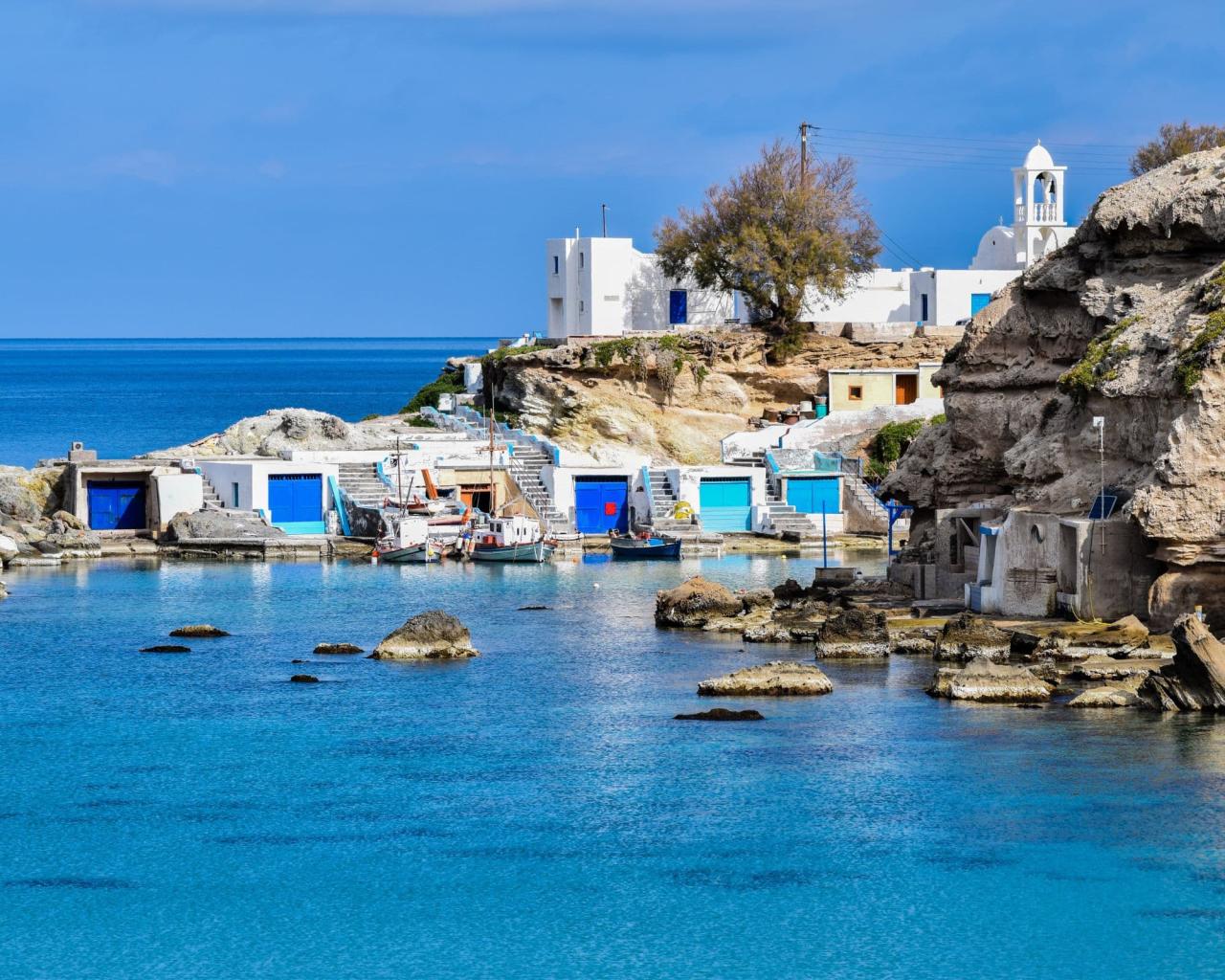
Thailand is renowned for its stunning landscapes, rich culture, and vibrant cities that attract millions of tourists each year. With a wide variety of destinations, each offering unique experiences, it’s crucial to understand what makes each location special. From the bustling streets of Bangkok to the idyllic beaches of Phuket, every part of Thailand has something unique to offer travelers.
Among the most popular destinations in Thailand, Bangkok, Phuket, Chiang Mai, and Krabi stand out for their distinctive features and attractions. Each of these locations provides a unique glimpse into Thailand’s diverse offerings, catering to different interests, from cultural exploration to beach relaxation. Understanding the pros and cons of each destination will help you make an informed decision for your stay.
Overview of Popular Thai Destinations
The following sections will highlight the key attractions and characteristics of Bangkok, Phuket, Chiang Mai, and Krabi. This comparison will assist travelers in choosing the perfect spot based on their preferences and travel goals.
| Destination | Unique Features | Pros | Cons |
|---|---|---|---|
| Bangkok | Vibrant city life, temples, street food |
|
|
| Phuket | Beautiful beaches, nightlife, water sports |
|
|
| Chiang Mai | Cultural heritage, mountains, festivals |
|
|
| Krabi | Stunning limestone cliffs, beautiful beaches |
|
|
“Each destination in Thailand offers a distinct experience, catering to various interests—from adventurous excursions to serene beach days.”
This comparison allows travelers to weigh their options based on what they value most in their journey through Thailand, ensuring a more tailored and enjoyable experience. Each location, with its unique charm, promises unforgettable memories and experiences.
Types of Accommodations Available
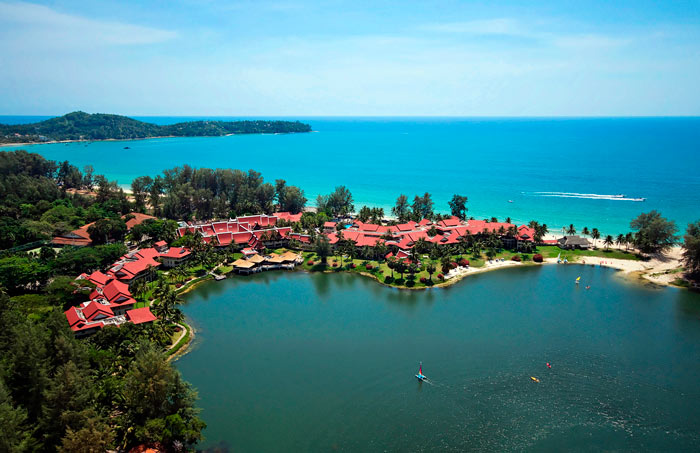
In Thailand, the variety of accommodations caters to every traveler’s preferences and budget, ranging from luxurious hotels to budget-friendly hostels. The choice of where to stay can significantly enhance your travel experience, offering unique amenities, services, and environments suited to different styles and needs. Understanding the types of accommodations available will help you make an informed decision for your stay in this vibrant country.
When exploring the types of accommodations in Thailand, the major regions each boast unique offerings in terms of pricing, amenities, and levels of service. From the bustling streets of Bangkok to the serene beaches of Phuket and the cultural heart of Chiang Mai, the accommodation landscape is diverse. Below is a detailed overview of the various options available.
Accommodation Options
Thailand features several main types of accommodations, each with distinct characteristics:
- Hotels: Typically offer a range of services including room service, daily cleaning, concierge services, and often feature pools, restaurants, and fitness centers. Prices can vary widely based on location and star rating.
- Hostels: Ideal for budget travelers, hostels provide dormitory-style rooms and sometimes private rooms at a lower cost. Shared facilities often include kitchens and common areas, fostering a communal atmosphere.
- Villas: For those seeking luxury and privacy, villas are available, especially in tourist hotspots like Koh Samui and Phuket. These often come with private pools, kitchens, and personalized services such as chefs and housekeepers.
- Guesthouses: A more intimate alternative, guesthouses are often family-run and provide a cozy atmosphere. They are usually less expensive than hotels and can offer local insights and experiences.
- Serviced Apartments: Perfect for longer stays, these accommodations offer hotel-like amenities with the added benefit of kitchen facilities. They are increasingly popular in urban centers like Bangkok for both business and leisure travelers.
To provide a clearer picture of where to stay, here are some top-rated accommodations in key regions of Thailand:
Top-Rated Accommodations by Region
In every major area of Thailand, a selection of well-reviewed accommodations stands out, providing excellent service and amenities.
Bangkok
“Experience the bustling city life with luxury and comfort.”
- The Siam Hotel: A luxury riverside hotel known for its stunning architecture and exceptional service.
- Mandarin Oriental: Renowned for its elegance, this hotel offers world-class dining and spa services.
- Lub d Bangkok: A popular hostel chain celebrated for its vibrant atmosphere and affordability.
Phuket
“Unwind in paradise with breathtaking views and top-notch facilities.”
- Amari Phuket: Offers stunning ocean views and a perfect blend of relaxation and activities.
- The Shore At Katathani: An upscale villa resort ideal for couples seeking privacy.
- Patong Beach Hostel: A budget-friendly option close to the beach, perfect for young travelers.
Chiang Mai
“Immerse yourself in culture and nature while enjoying comfortable stays.”
- Four Seasons Resort Chiang Mai: Luxurious accommodations with lush gardens and exquisite amenities.
- Yaang Come Village: A boutique hotel known for its traditional Lanna-style architecture.
- Green Tiger House: A friendly hostel focusing on sustainability and community.
By understanding the types of accommodations available and the notable options in each region, travelers can better customize their experience in Thailand, ensuring a memorable stay that suits their preferences and budget.
Best Time to Visit Each Region
Thailand’s diverse geography contributes to its varied climate, which can significantly impact travel plans. From the sunny beaches of the south to the mountainous north, understanding the best time to visit each region is crucial for an enjoyable experience. Whether you’re seeking vibrant festivals, perfect beach weather, or lush green landscapes, timing your visit can elevate your trip to Thailand.
The climate in Thailand is generally divided into three main seasons: the cool season, the hot season, and the rainy season. The cool season, typically from November to February, is marked by lower humidity and cooler temperatures, making it the peak tourist season. The hot season runs from March to May, with high temperatures that can be uncomfortable for some travelers. The rainy season, from June to October, brings occasional storms, yet it can also offer unique travel opportunities and fewer crowds.
Month-by-Month Weather Breakdown
Considering the climate variations and peak tourist seasons, understanding the best months to visit each region can help tailor your itinerary. Below is a detailed table that Artikels the weather conditions and ideal timing for key activities in different parts of Thailand.
| Month | Region | Weather Conditions | Activities |
|---|---|---|---|
| January | North & Central | Cool and dry | Best for trekking and sightseeing |
| February | North & Central | Warm and dry | Ideal for outdoor activities and festivals |
| March | All Regions | Hot | Great for beach activities, but hot inland |
| April | All Regions | Very hot | Perfect for Songkran festival and water activities |
| May | All Regions | Hot with occasional rain | Start of the rainy season, fewer crowds |
| June | Central & South | Warm with rain | Good for visiting temples and indoor attractions |
| July | North | Cooled by rain | Ideal for lush landscapes and wildlife sightings |
| August | All Regions | Rainy | Less crowded, great for cultural experiences |
| September | Central & North | Rainy | Good for indoor activities and exploring cities |
| October | All Regions | Transitioning to cool | Perfect for visiting historical sites |
| November | All Regions | Cool and dry | Great for outdoor adventures and festivals |
| December | All Regions | Cool and dry | Peak tourist season, great for beach getaways |
“The best time to visit Thailand largely depends on the specific region and activities you wish to pursue.”
Activities and Experiences by Region
Thailand offers a diverse range of activities and experiences across its various regions. Each area boasts unique cultural, adventure, and relaxation options that cater to different types of travelers. From the vibrant cities to the serene beaches and lush mountains, there is something for everyone to explore and enjoy.
Exploring the activities available in Thailand helps travelers uncover the essence of each region. The following sections highlight must-do activities, tours, and excursions that showcase the distinct flavor of Thailand’s regions.
Central Thailand
Central Thailand is known for its rich culture and historical significance. Visitors can immerse themselves in traditional Thai activities and sightseeing.
- Explore Bangkok’s Grand Palace: A must-see, the Grand Palace is a stunning representation of Thai architecture and history.
- Visit Ayutthaya Historical Park: A UNESCO World Heritage Site, Ayutthaya features ancient temples and ruins that tell the story of Thailand’s past.
- Experience a Thai cooking class: Learn to prepare authentic Thai dishes and gain insight into the culinary traditions of the country.
Northern Thailand
The northern region is famous for its mountainous landscapes and ethnic diversity, offering unique experiences for adventure and cultural enthusiasts.
- Trek in Chiang Mai: Trekking through the hills surrounding Chiang Mai provides opportunities to encounter local tribes and stunning natural scenery.
- Visit Doi Suthep Temple: This iconic temple offers breathtaking views and a glimpse into Buddhist traditions.
- Engage in a Muay Thai class: Experience Thailand’s national sport firsthand through lessons available at local gyms.
Southern Thailand
Southern Thailand is renowned for its beautiful beaches and vibrant nightlife, perfect for relaxation and adventure seekers alike.
- Island hopping in Krabi: Discover stunning islands such as Phi Phi Islands and Railay Beach, ideal for snorkeling and lounging.
- Experience a Full Moon Party: The infamous parties on Koh Phangan attract travelers from around the world looking for festivities.
- Relax with a Thai massage: Unwind at one of the many beachside spas offering traditional massage treatments.
Eastern Thailand
Eastern Thailand offers a blend of relaxation and exploration with its coastal towns and islands.
- Visit Pattaya’s Sanctuary of Truth: This all-wood structure showcases intricate carvings and reflects the philosophy of Eastern architecture.
- Explore Koh Samet: Known for its pristine beaches and laid-back vibe, perfect for a weekend getaway.
- Participate in water sports at Jomtien Beach: Enjoy activities like jet skiing, parasailing, and windsurfing.
Summary of Key Experiences by Region, Which part of Thailand is best to stay in?
The table below summarizes key experiences available in each region of Thailand, making it easier to plan your itinerary based on your desired activities.
| Region | Activities |
|---|---|
| Central Thailand | Grand Palace, Ayutthaya, Cooking Classes |
| Northern Thailand | Trekking, Doi Suthep, Muay Thai Classes |
| Southern Thailand | Island Hopping, Full Moon Party, Thai Massage |
| Eastern Thailand | Sanctuary of Truth, Koh Samet, Water Sports |
Local Cuisine and Dining Options
Thailand’s culinary landscape is as diverse as its geography, with each region offering unique flavors, ingredients, and cooking techniques that reflect the local culture and traditions. Whether you find yourself in the bustling streets of Bangkok or the serene beaches of Phuket, the food experience is an integral part of your journey. This section delves into the culinary specialties of different Thai regions, highlighting must-try dishes and where to find them, from high-end dining to street food stalls.
The diversity in Thai cuisine is evident in the regional variations that contribute to the country’s reputation as a food lover’s paradise. Here, each region brings forth its own distinct flavors; for example, Northern Thailand is known for its earthy, herb-infused dishes, while Southern Thailand boasts spicy and coconut milk-based curries. To guide you through this flavorful journey, we will explore the culinary highlights and recommend some of the best dining options across Thailand’s regions.
Culinary Specialties by Region
The following table compares popular dishes from various regions of Thailand and offers recommendations for notable restaurants and street food vendors where you can savor these specialties.
| Region | Popular Dishes | Recommended Restaurants | Street Food Options |
|---|---|---|---|
| Central Thailand (Bangkok) |
|
|
|
| Northern Thailand (Chiang Mai) |
|
|
|
| Southern Thailand (Phuket) |
|
|
|
| Isaan (Northeastern Thailand) |
|
|
|
“Thai cuisine is a harmonious blend of flavors, colors, and textures, often reflecting the local culture and traditions.”
This overview provides just a glimpse into the rich and vibrant world of Thai cuisine. Each bite tells a story, and exploring these culinary delights will surely enhance your travel experience throughout Thailand.
Transportation and Accessibility: Which Part Of Thailand Is Best To Stay In?
Thailand’s diverse regions offer a plethora of transportation options, making it relatively easy to explore both urban centers and rural landscapes. Whether traveling within cities or between different areas, understanding the available transport methods can enhance your travel experience significantly. From bustling Bangkok to serene Chiang Mai, efficient transportation systems cater to the needs of local and international travelers alike.
Navigating Thailand’s cities and regions is facilitated by public transport systems, taxis, and other available transport modes, ensuring accessibility for everyone. The country’s well-developed infrastructure includes buses, trains, ferries, and domestic flights that connect major destinations, making travel seamless.
Key Transportation Options
Familiarizing yourself with the available transportation methods can help you plan your journeys effectively. Here’s a comprehensive list of transportation options in popular areas:
- Buses: Extensive networks operate within cities and between regions. Bangkok’s public bus system is affordable, with routes connecting major tourist attractions.
- Skytrain (BTS) and Metro (MRT): These rapid transit systems in Bangkok provide efficient travel options, reducing congestion and travel time.
- Taxi Services: Metered taxis are available in urban areas. Grab, a popular ride-hailing app, offers convenient local transport options in most cities.
- Motorbike Taxis: Fast and efficient, motorbike taxis can navigate through heavy traffic, making them a popular choice for short distances in urban areas.
- Trains: Thailand’s railway system connects major cities; overnight trains provide a comfortable and scenic way to travel across the country.
- Domestic Flights: Airlines such as Thai AirAsia, Nok Air, and Bangkok Airways connect tourists to various regions, significantly cutting travel time for long distances.
- Ferries: In coastal areas and islands, ferries are essential for transport, connecting places like Koh Samui and Phuket with the mainland.
- Car Rentals: For those seeking independence, car rental services are widely available, providing access to off-the-beaten-path destinations.
Each transportation option caters to different preferences and budgets, ensuring that travelers can choose what best suits their needs. Accessibility for international travelers is generally good, especially in tourist hotspots, where signs are often bilingual and services are tailored for ease of use.
Cultural and Historical Sites
Thailand’s rich cultural heritage is woven into the fabric of its history, with countless sites that reflect the nation’s traditions, beliefs, and artistic achievements. Exploring these cultural and historical sites offers travelers a deeper understanding of Thailand’s identity and the influences that have shaped its society over centuries. From ancient temples to royal palaces, each region showcases distinct elements of Thailand’s past that contribute to its allure as a travel destination.
The significance of these sites goes beyond mere tourism; they are vital to Thailand’s cultural identity, attracting millions of visitors each year. These locations not only highlight Thailand’s architectural marvels and artistic endeavors but also serve as places of worship and cultural gatherings. Engaging with these historical narratives allows travelers to appreciate the complexity and beauty of Thai culture. Below is a table listing some significant cultural attractions across Thailand, each with unique characteristics that exemplify the essence of their respective regions.
| Location | Significant Site | Unique Characteristics |
|---|---|---|
| Bangkok | Grand Palace | A stunning architectural complex that has served as the official residence of Thai kings since 1782. |
| Ayutthaya | Ayutthaya Historical Park | A UNESCO World Heritage site featuring the ruins of the ancient capital with impressive temples and palaces. |
| Chiang Mai | Wat Phra That Doi Suthep | A sacred temple that offers panoramic views and is a significant pilgrimage spot for Thai Buddhists. |
| Sukhothai | Sukhothai Historical Park | Another UNESCO World Heritage site, renowned for its well-preserved ruins and the beginnings of Thai civilization. |
| Pattaya | Wat Yansangwararam | An important temple complex known for its stunning architecture and serene atmosphere. |
| Phuket | Big Buddha | A colossal statue that symbolizes peace and has become a significant landmark and tourist attraction. |
Visiting these cultural and historical sites enriches one’s understanding of Thailand’s heritage, making it an essential aspect of any travel itinerary.
Safety and Travel Tips
Traveling in Thailand can be an exhilarating experience, rich with culture and adventure. However, like any travel destination, being aware of safety measures and local customs is essential for a smooth journey. Understanding the unique aspects of each region can help ensure a safe and enjoyable visit.
In Thailand, safety tips can vary depending on the region you are in, as each area has its own set of cultural norms and potential hazards. From bustling cities to serene beaches, knowing how to navigate these differences is crucial. Alongside safety considerations, familiarizing yourself with local customs will not only enhance your travel experience but also show respect for the local culture.
Essential Safety Tips by Region
It is important to be mindful of safety practices tailored to different regions in Thailand. Here are some general safety tips categorized by popular areas:
- Bangkok: Stay vigilant in crowded places like markets and public transport. Pickpocketing can be common in busy areas.
- Chiang Mai: During the festival season, especially around Songkran, be careful with water fights and ensure your valuables are secure.
- Phuket: Be cautious when swimming; pay attention to flags indicating water conditions, and avoid swimming in rough seas.
- Koh Samui: Use reputable services for boat trips and avoid unlicensed operators to ensure safety at sea.
- Ayutthaya: While exploring ancient ruins, watch your step on uneven surfaces to prevent accidents.
Local Customs and Etiquette
Understanding local customs can greatly enrich your experience in Thailand. Here are some key points to keep in mind:
- Always greet with a ‘Wai’ – a slight bow with palms pressed together helps demonstrate respect.
- Removing your shoes before entering someone’s home or a temple is customary, showcasing respect for sacred spaces.
- Dress modestly when visiting temples. Shoulders and knees should be covered, and it’s best to avoid revealing clothing.
- Public displays of affection are generally frowned upon, especially in rural areas.
- Respect the monarchy; speaking ill of the royal family is a serious offense.
Do’s and Don’ts When Visiting Thailand
Being aware of the do’s and don’ts will help you navigate your travels in Thailand without inadvertently offending locals or getting into trouble.
- Do:
- Use both hands when giving or receiving items as a sign of respect.
- Try local foods; the cuisine is a highlight of any trip.
- Learn a few basic Thai phrases to enhance interactions.
- Don’t:
- Do not touch someone’s head, as the head is considered sacred.
- Avoid raising your voice or losing your temper in public; maintaining composure is vital.
- Never point your feet at people or religious artifacts, as feet are regarded as the lowest part of the body.
Adhering to local customs and safety guidelines not only protects you but also enriches your travel experience in beautiful Thailand.